Solspot

What actually kills houseplants

Eleven short guides on keeping a plant alive, in the order people get it wrong — too much water first, light second. All eleven are in the Solspot app as well.

The eleven

Light is the meal

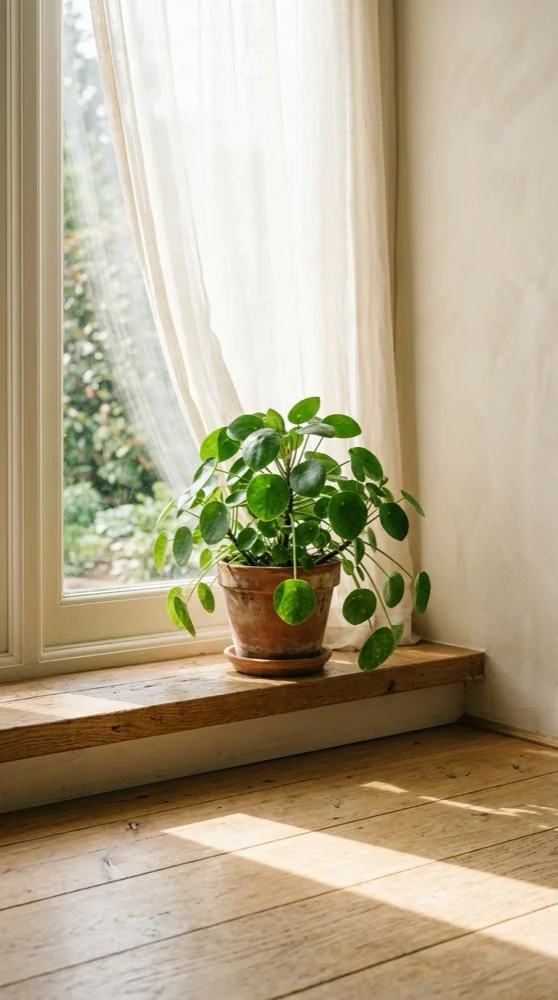
  1. Light is food, not decoration.

    A plant in the wrong light isn't unhappy — it's starving. No amount of watering or feeding substitutes for it.

  2. Two steps back is half the light.

    Brightness falls away fast from a window. A spot that looks fine to you can be a fraction of what the label meant.

  3. Your eyes are the wrong instrument.

    They adjust to a dim room in seconds. Leaves don't. Measure the spot before you buy the plant.
Water when it asks

  1. Roots need air too.

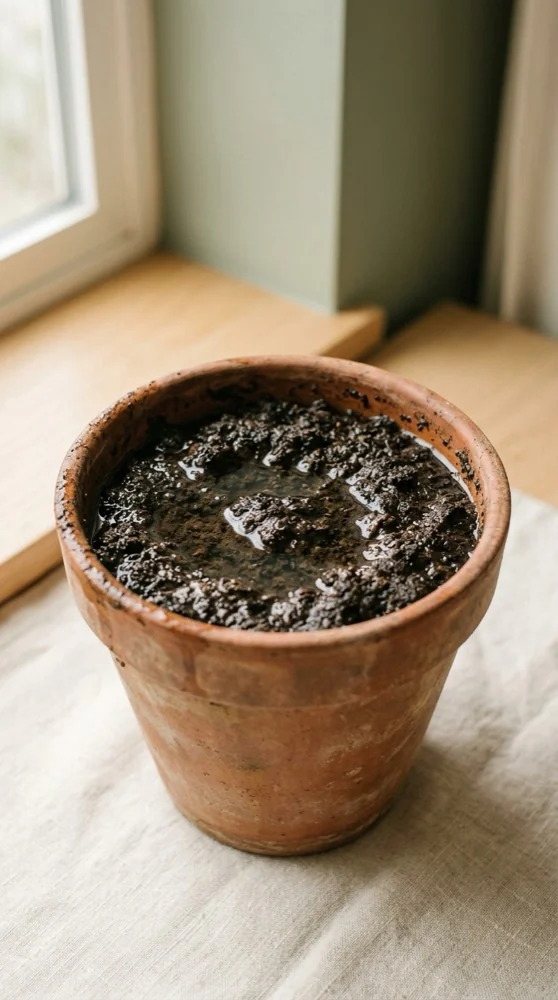
    Soil that never dries has no oxygen in it. The roots suffocate first and rot second — and both happen out of sight.

  2. Check, don't schedule.

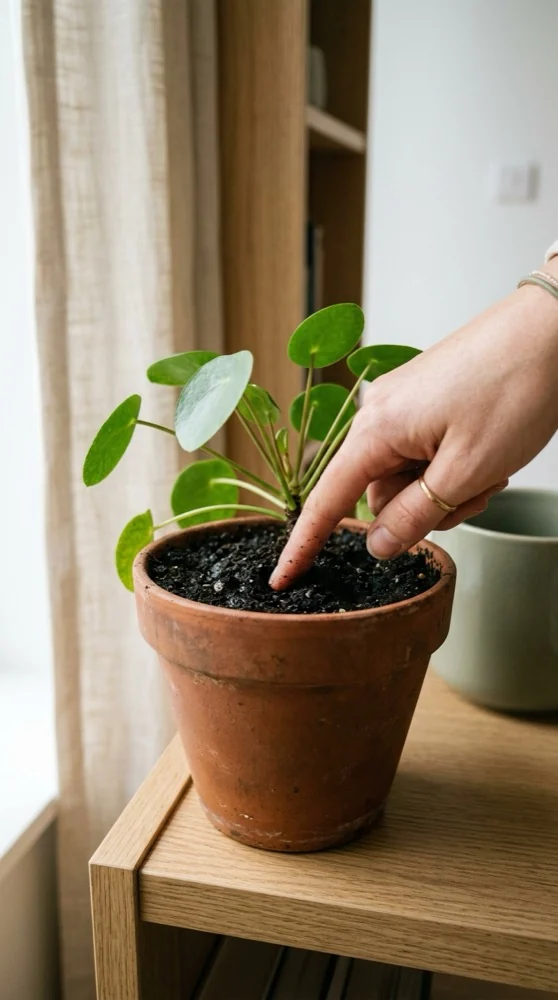
    Push a finger two knuckles into the soil. Dry down there? Water. Still damp? Come back in a few days.

  3. Then water properly.

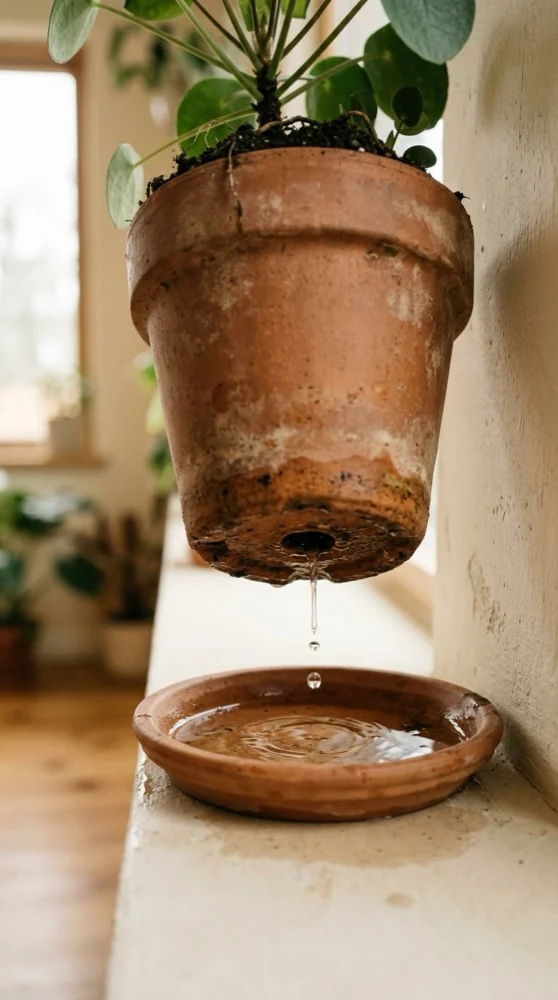
    Soak it until water runs from the bottom. Small sips only ever wet the top, and leave the deep roots dry.

Too much or too little?

  1. They look the same from across the room.

    Which is why guessing is dangerous — the fix for one makes the other worse. Feel the soil before deciding.

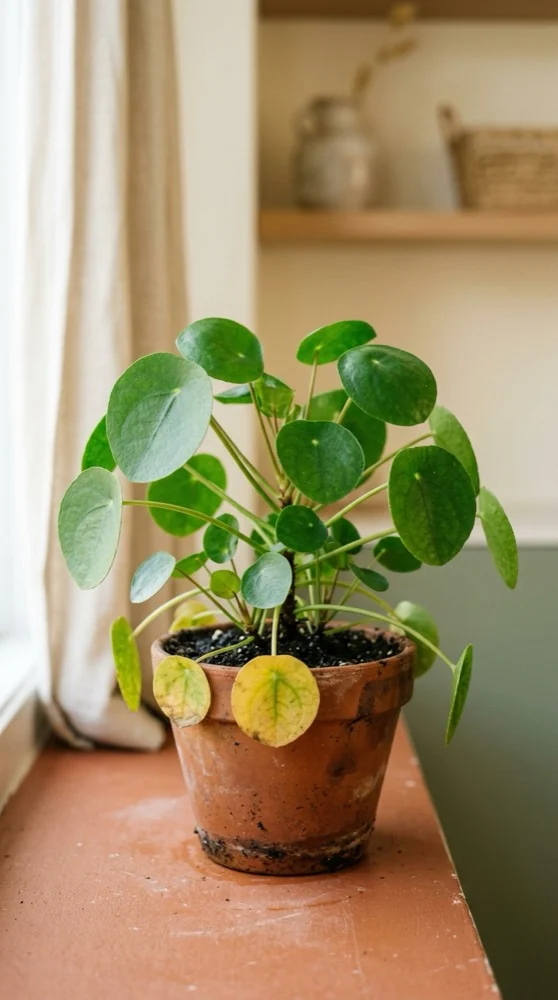
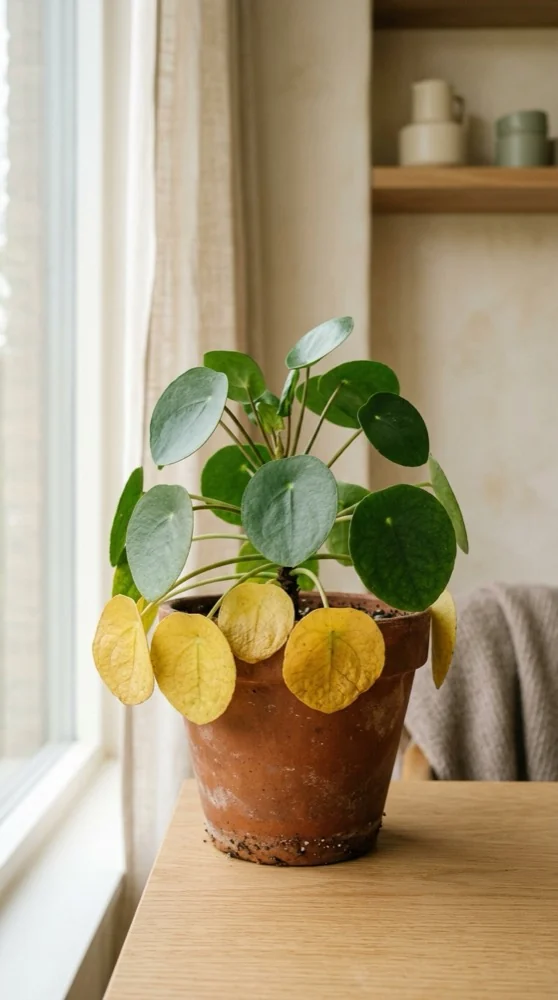
  2. Too much: soft, yellow, heavy.

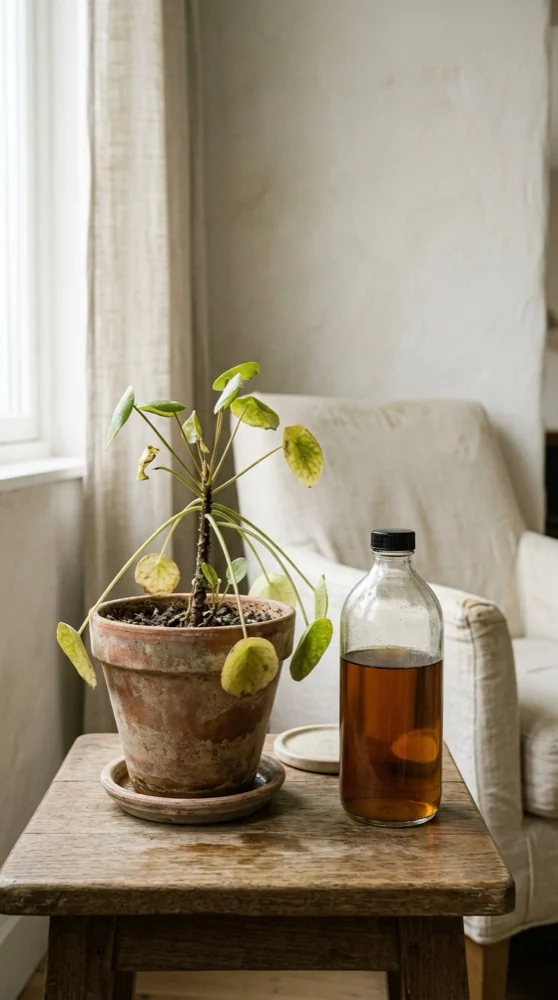
    Lower leaves yellow, stems go soft, the pot feels heavy, the soil is dark and sometimes smells sour.

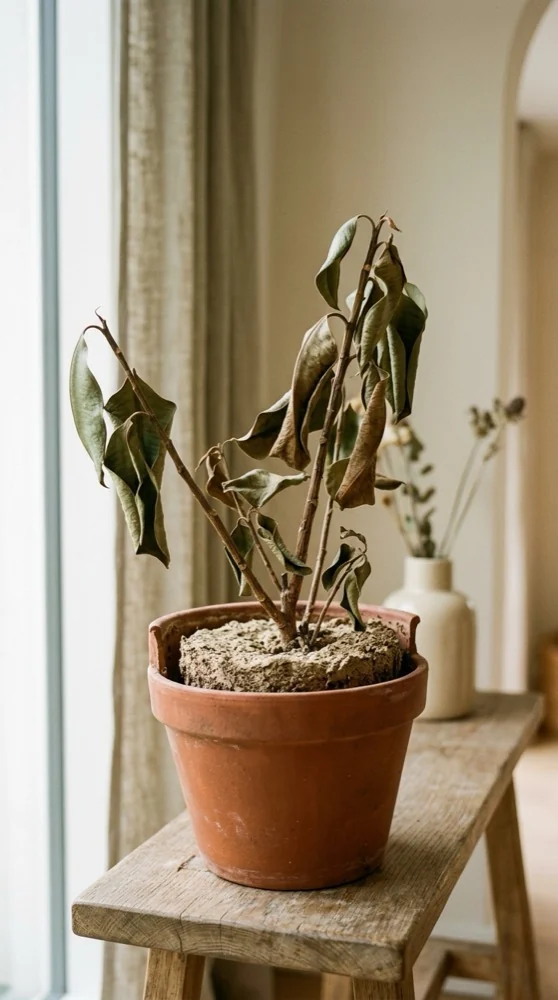
  3. Too little: crisp, curled, light.

    Edges go dry and crisp, leaves curl inward, the pot feels light, and the soil has shrunk from the sides.

The pot decides

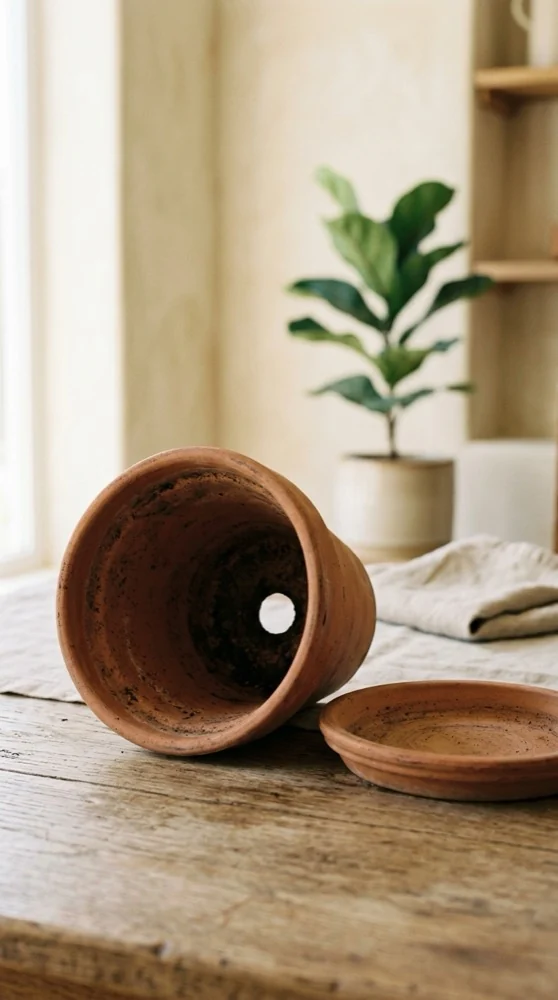
  1. A drainage hole isn't optional.

    Without one, water collects in the bottom where you can't see it. That is where root rot begins.

  2. One size up, no more.

    Two or three centimetres wider than the old pot. Extra soil holds extra water, so a big pot drowns a small plant.
  3. Empty the saucer.

    Tip it out twenty minutes after watering. A plant left standing in water is being watered continuously.

What the leaves say

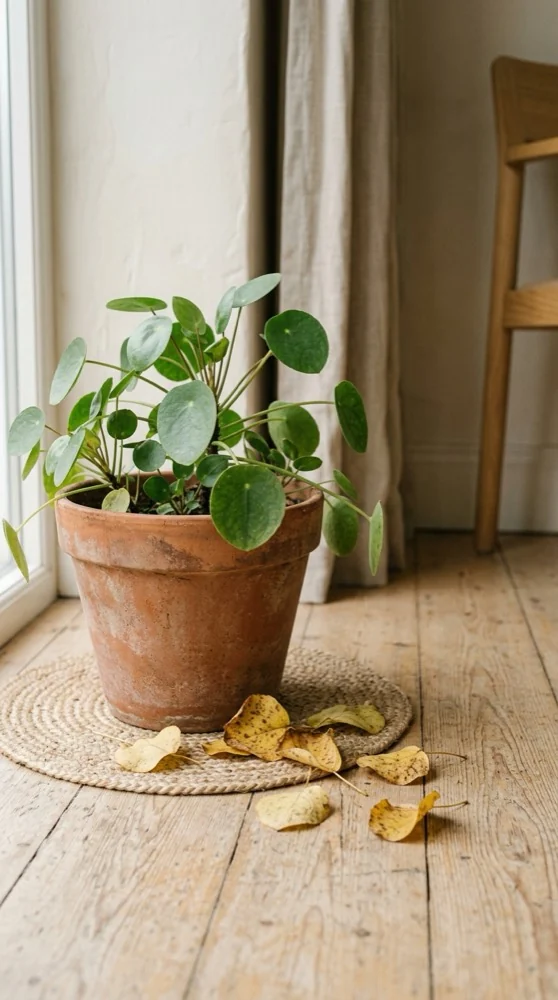
  1. Yellow lower leaves: water.

    Usually too much of it. Check the soil before reaching for the can — the reflex to water a sad plant is what kills it.

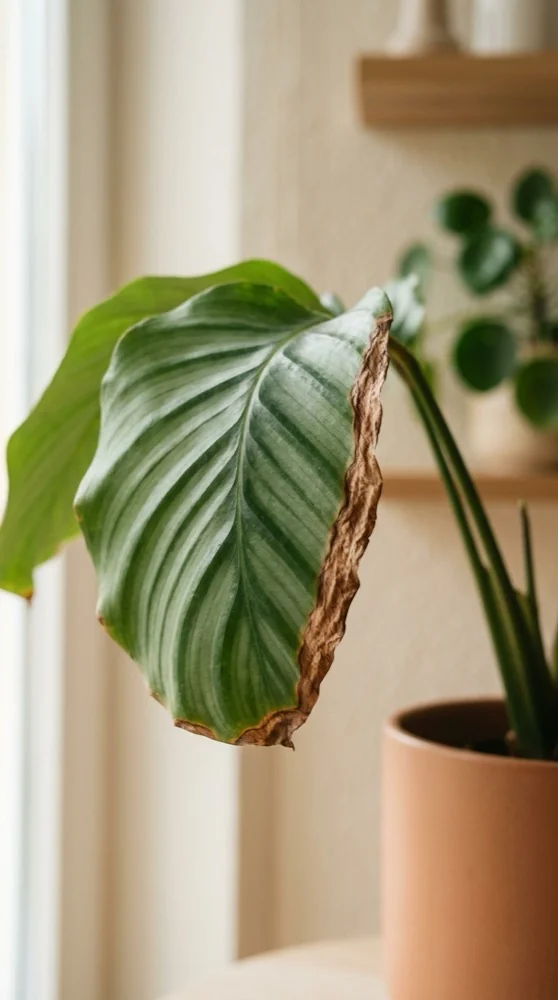
  2. Crisp brown tips: air.

    Dry air, or minerals built up from tap water and feed. Trim them with clean scissors, following the leaf's own shape.

  3. Pale and stretching: light.

    Long bare stems leaning toward the window mean the plant is reaching for light it isn't getting. Move it closer.

The four you'll meet

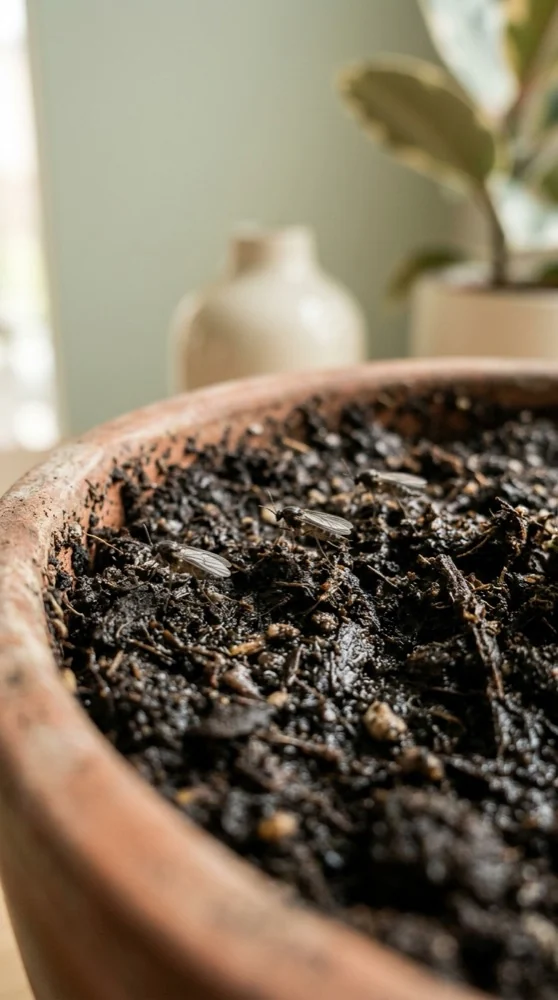
  1. Fungus gnats mean wet soil.

    Tiny flies drifting up from the pot. Harmless to the plant, but a reliable sign the top of the soil never dries out.

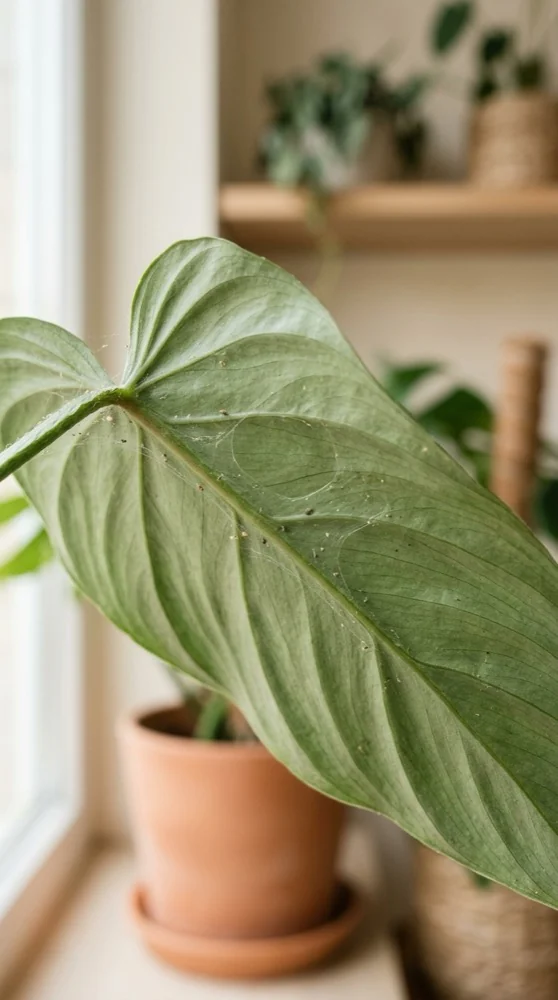
  2. Mites web, mealybugs fluff.

    Fine webbing under the leaves is spider mites; white cotton in the leaf joints is mealybugs. Both wipe off with alcohol on a cotton bud.

  3. Isolate first, always.

    A new plant, or the first pest you see: move it away from the others for two weeks. Pests spread by touching leaves.

Humidity, honestly

  1. Most tropicals want 50% or more.

    Heated rooms in winter can drop to 20%, which is desert air. Brown crispy edges are usually the first sign.

  2. Misting doesn't do it.

    It raises humidity for a few minutes, then it's gone — and water sitting on leaves invites spots. It feels productive and isn't.

  3. Group them, or buy a humidifier.

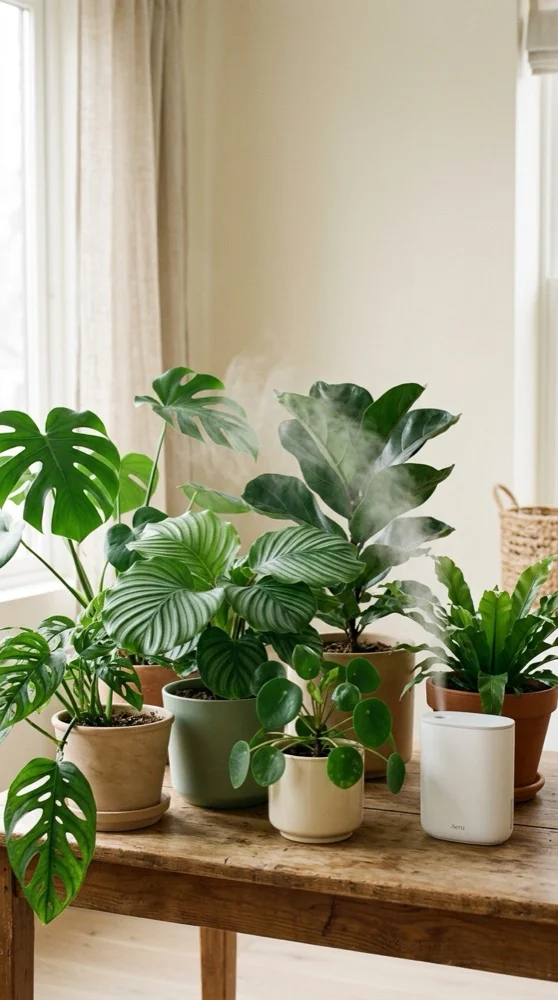
    Plants standing together hold a pocket of moist air around each other. A pebble tray helps a little; a humidifier actually works.

Feed less than you think

  1. Food won't fix a sick plant.
    A struggling plant almost always has a light or water problem. Feeding it on top of that adds stress, not help.

  2. Only while it's growing.

    Spring and summer, at half the strength on the bottle, every few weeks. In winter most plants want nothing at all.

  3. Too much burns the roots.

    Brown tips and a white crust on the soil mean stop. Flush the pot through with plain water and skip a few feeds.

Repotting

  1. Wait for an actual reason.

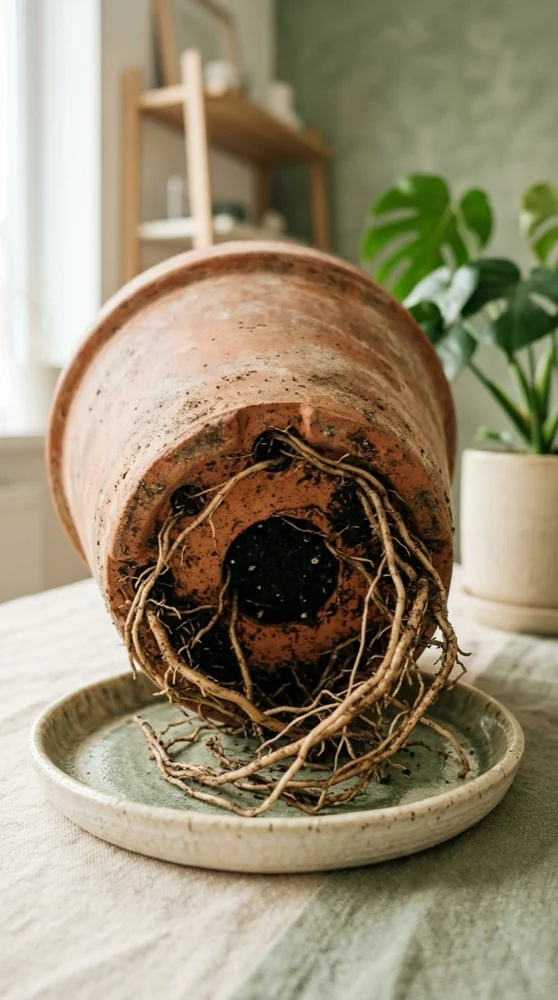
    Roots out of the drainage hole, water running straight through, or growth that stalls in spring. Not just because a year passed.

  2. Spring, and once a year at most.

    Fresh soil matters as much as the bigger pot: old soil compacts over time and stops holding the air roots need.

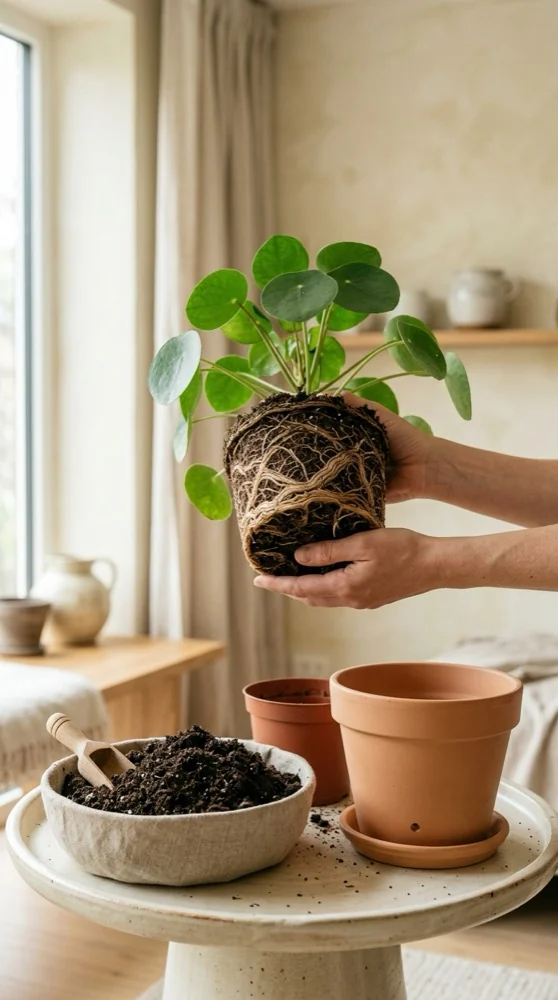
  3. Loosen the root ball.

    If the roots circle the shape of the old pot, tease them apart with your fingers. Left wound up, they keep growing in a circle.

Winter changes everything

  1. Less light, less of everything.

    Growth slows or stops, so the plant drinks less and needs no food. Watering as you did in July is how plants die in January.

  2. Mind the glass and the radiator.

    Leaves touching freezing glass get damaged; a radiator underneath dries a plant out fast. Windowsills manage both at once.

  3. A few dropped leaves is normal.

    Most plants shed some in the darkest months. Start feeding again when you see new growth, not on a date.

Before you buy

  1. Favourites are on the toxic list.

    Monstera, pothos, peace lily, sago palm and true lilies are all common, and none are safe around cats and dogs.

  2. Non-toxic isn't harmless.

    The ASPCA's list isn't all-inclusive, and eating any plant can cause vomiting or an upset stomach — listed or not.

  3. Every plant here carries its verdict.

    Safe, toxic, or unverified, sourced from the ASPCA. Where nobody has checked, Solspot says so instead of guessing.

The horticultural claims here follow university extension services and the Old Farmer's Almanac rather than plant blogs. Where a species differs from the general rule, the species wins.

Further reading

Light is the part you cannot eyeball

A room your eyes call bright is often a tenth of what a plant needs. Solspot reads the light with the iPhone camera, names it honestly, and matches the species that will live there.

Get Solspot — free