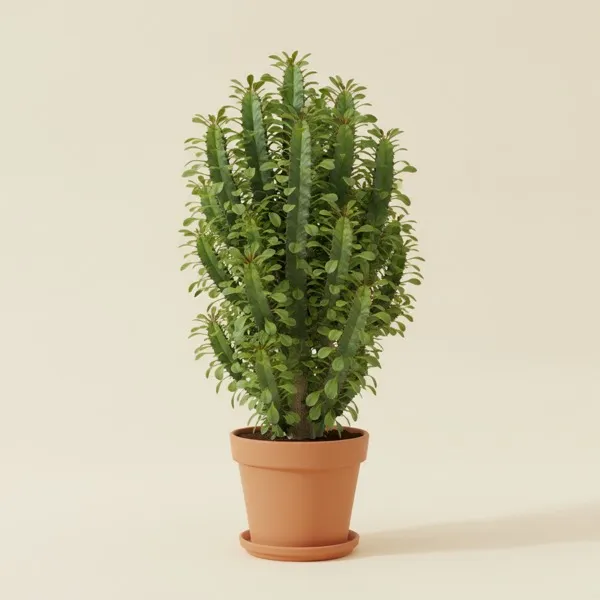
African milk tree
Euphorbia trigona
Not listed
The ASPCA lists a close relative (Euphorbia tirucalli) as toxic, but not this species. Covers dogs.
 Solspot · All plant tools
Search 100 common houseplants against the ASPCA toxic and non-toxic lists. When a species is not on either list, this says so instead of calling it safe.
Not listed does not mean safe. The ASPCA lists settle 61 of these 100 species. The other 39 are not named either way, and every checker that shows them as pet safe is inventing an answer. Where a verdict rests on the genus or on a close relative rather than the species itself, the card below says so.
The ASPCA names this exact species on its non-toxic list. 28 of 100 species here. Non-toxic still means a pet that eats it may vomit or have an upset stomach.
The ASPCA names the species, or its genus, on the toxic list. 33 of 100.
Neither list settles it. Treat as unknown, not as safe. 39 of 100.
If your pet has already eaten something, call a vet rather than reading a table. The ASPCA Animal Poison Control Center, a US service, runs a 24 hour line on (888) 426-4436, and a consultation fee may apply. This page is for choosing plants, not for treating an emergency.
Showing all 100 species.
The ASPCA lists a close relative (Euphorbia tirucalli) as toxic, but not this species. Covers dogs.
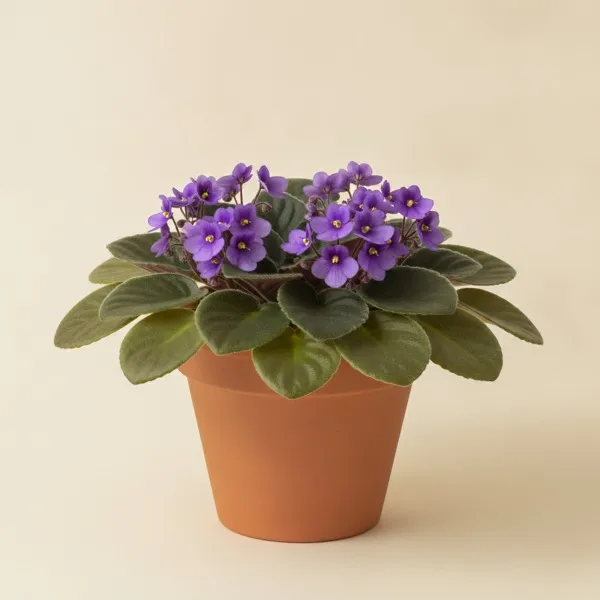
The ASPCA lists this exact species as non-toxic. Covers dogs and cats.
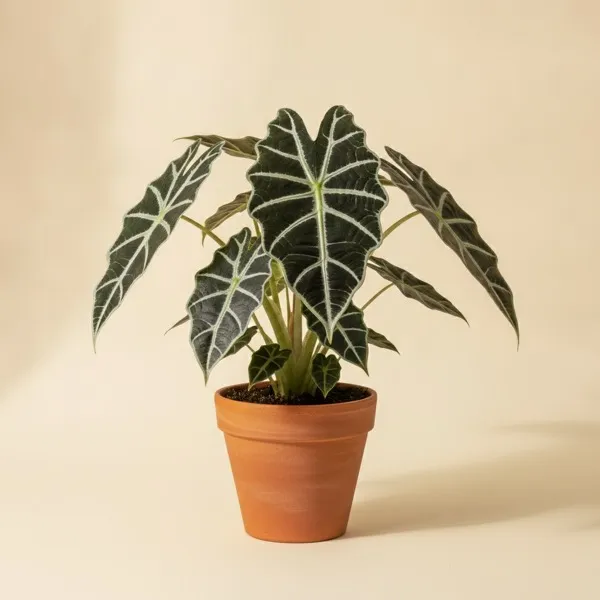
The ASPCA lists the genus as toxic rather than this species by name. Covers dogs and cats.
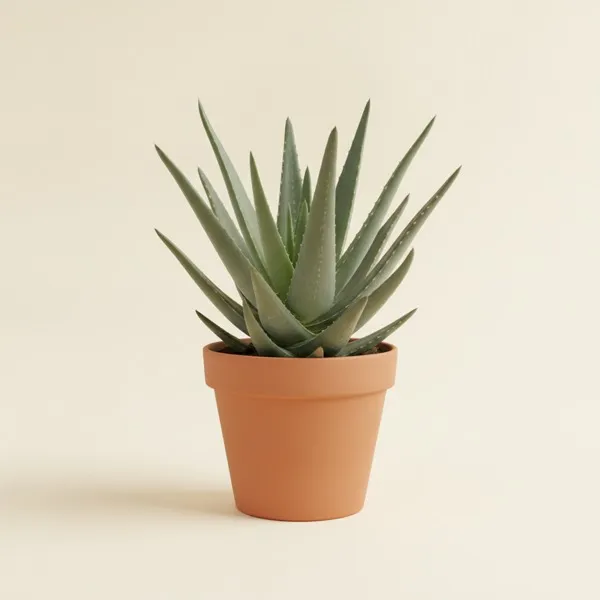
The ASPCA lists this exact species as toxic. Covers dogs and cats.
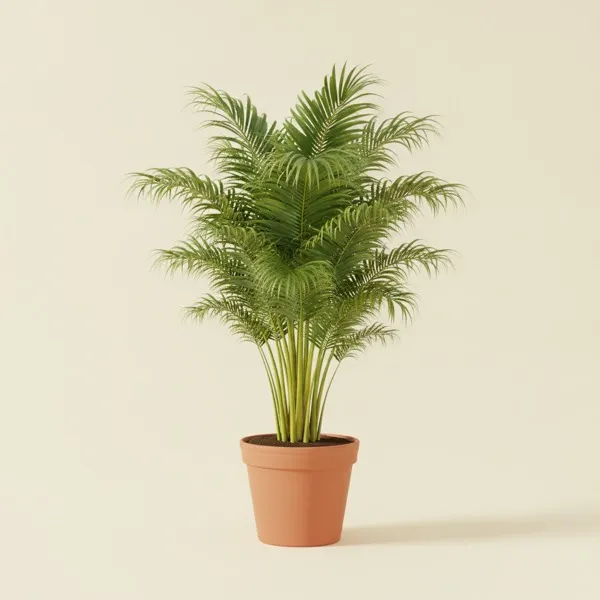
The ASPCA lists this exact species as non-toxic. Covers dogs and cats.
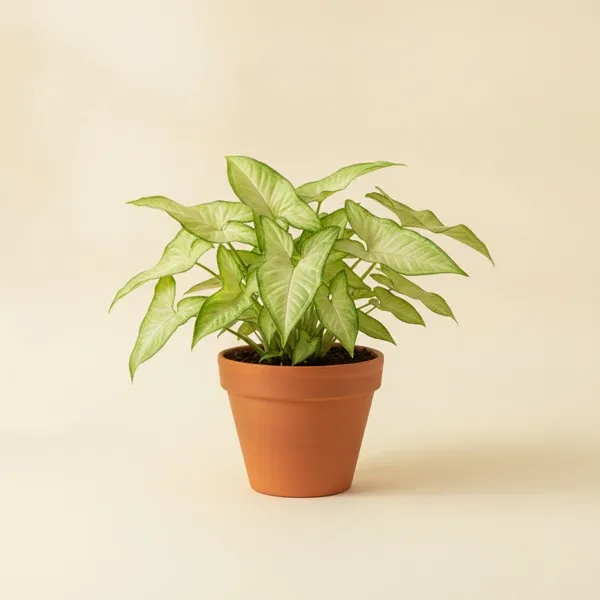
The ASPCA lists this exact species as toxic. Covers dogs and cats.
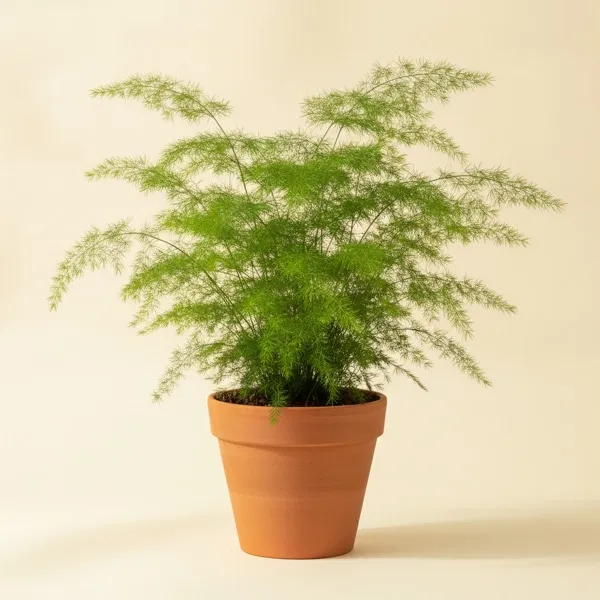
The ASPCA lists a close relative (Asparagus densiflorus cv sprengeri) as toxic, but not this species. Covers dogs.
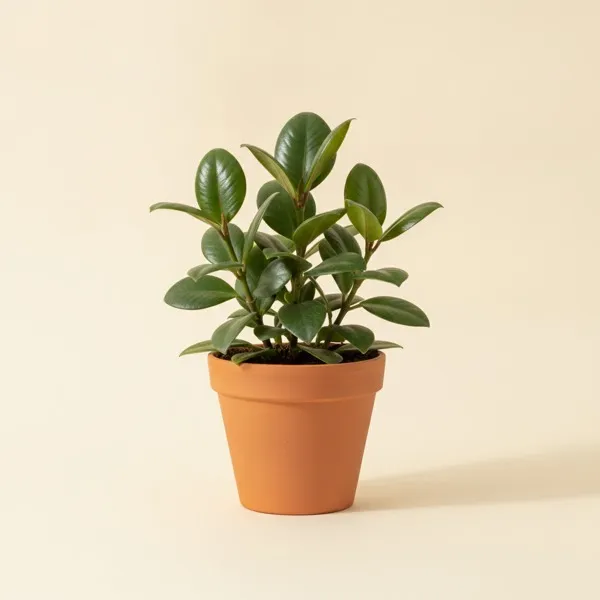
The ASPCA lists this exact species as non-toxic. Covers dogs and cats.
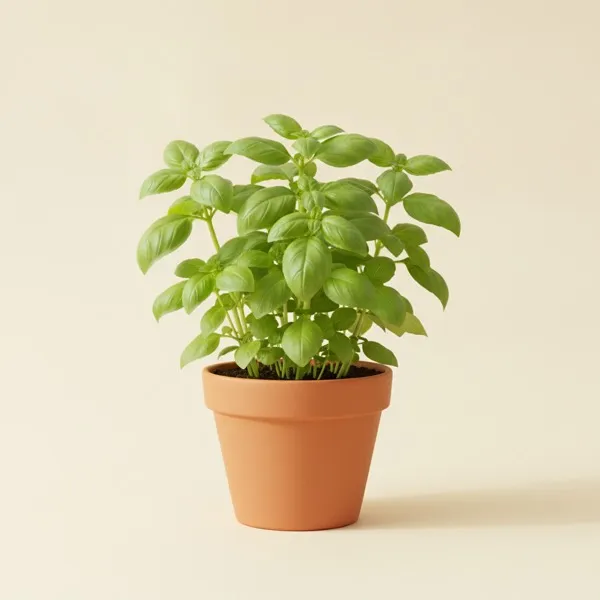
The ASPCA lists this exact species as non-toxic. Covers dogs and cats.
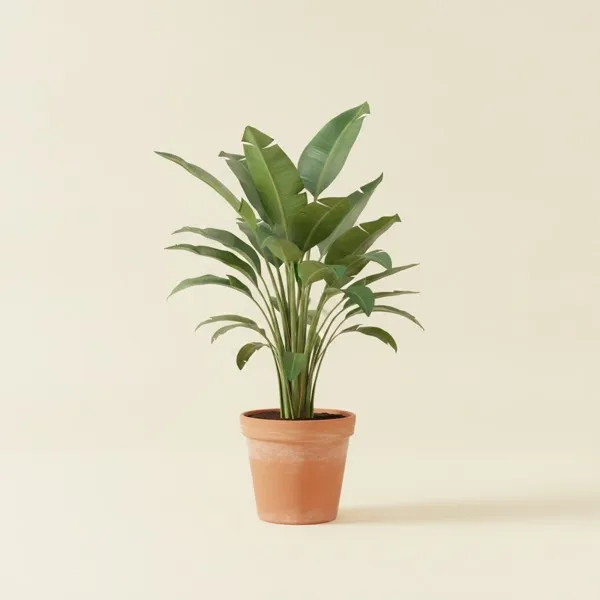
The ASPCA lists this exact species as toxic. Covers dogs and cats.
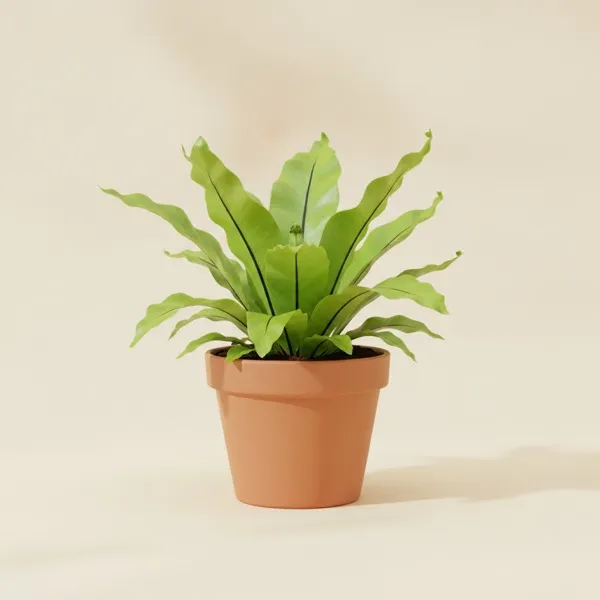
The ASPCA does not list this species either way.
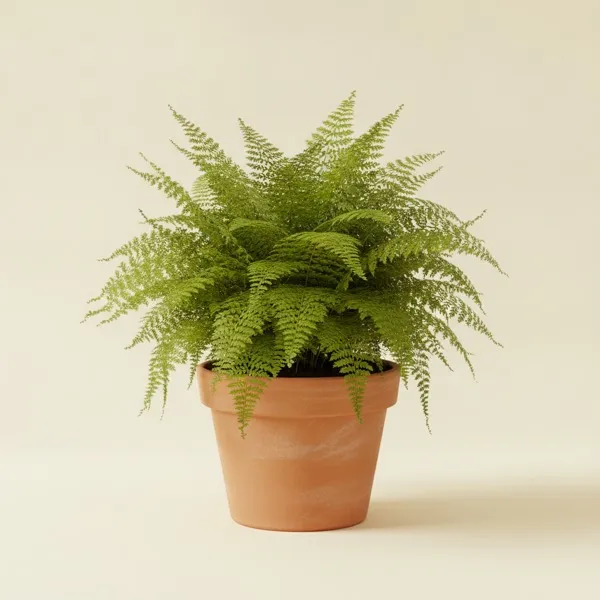
The ASPCA lists this exact species as non-toxic. Covers dogs and cats.
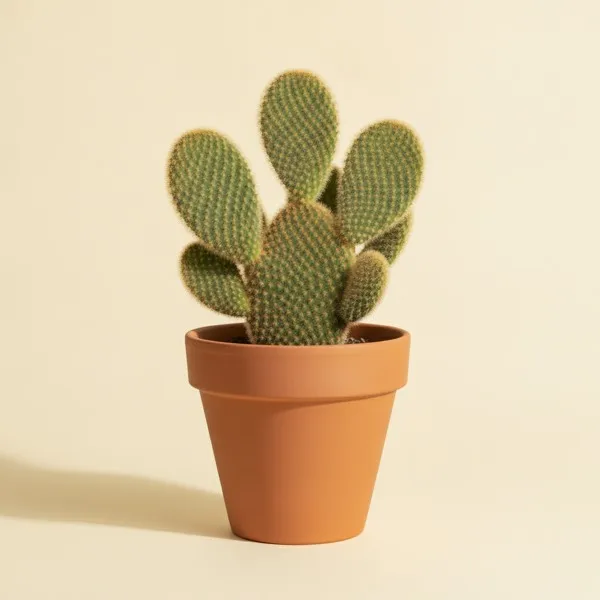
The ASPCA does not list this species either way.
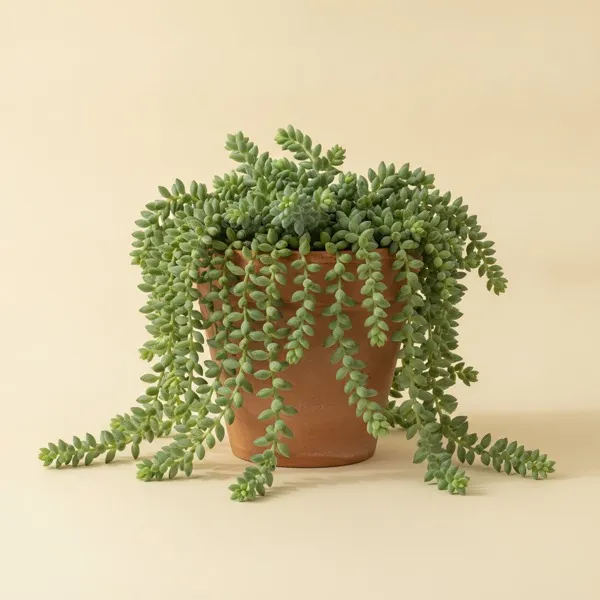
The ASPCA lists this exact species as non-toxic. Covers dogs and cats.
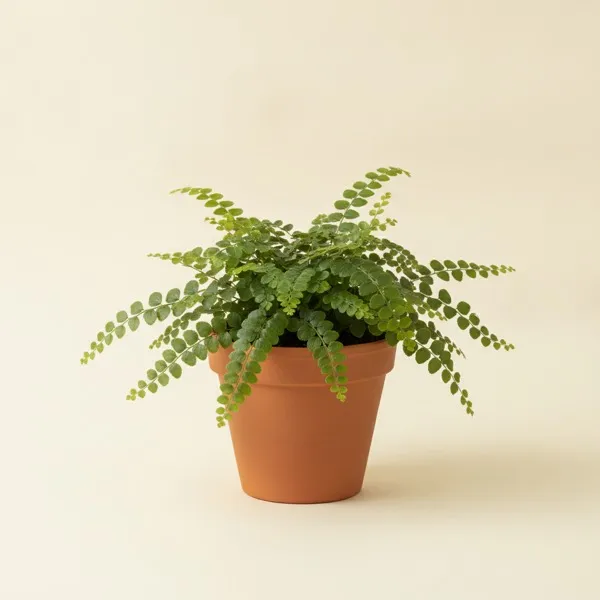
The ASPCA lists this exact species as non-toxic. Covers dogs and cats.
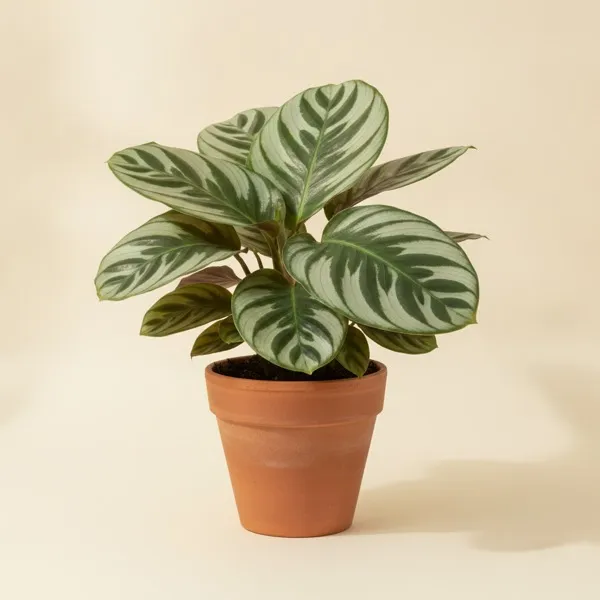
The ASPCA lists other species in the genus as non-toxic, but not this one.
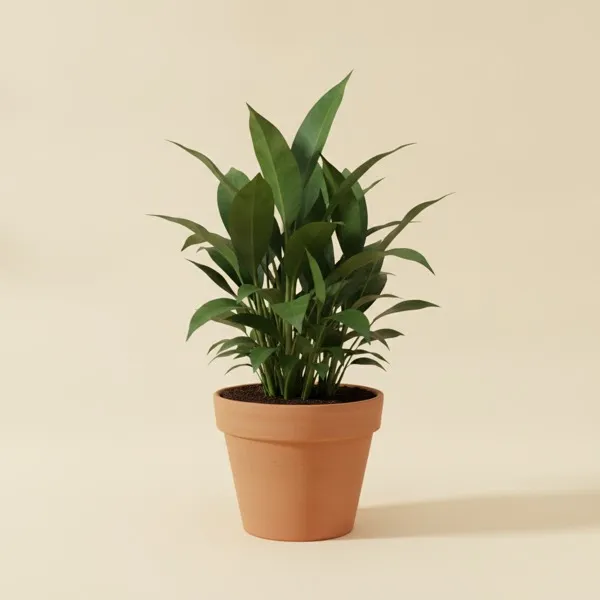
The ASPCA lists this exact species as non-toxic. Covers dogs and cats.
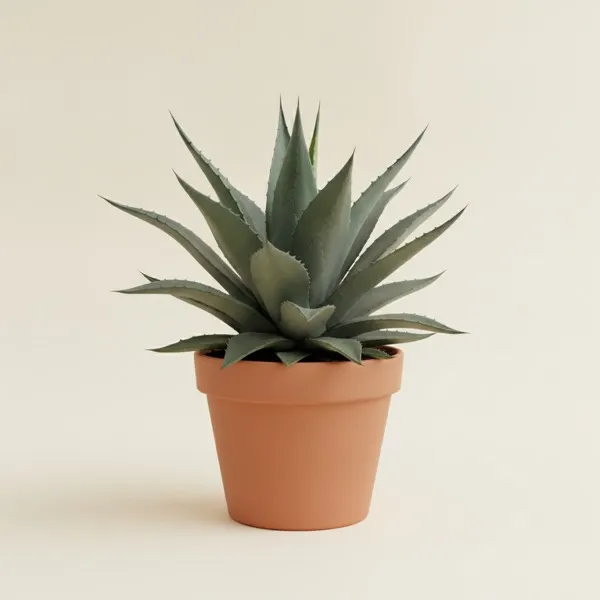
The ASPCA does not list this species either way.
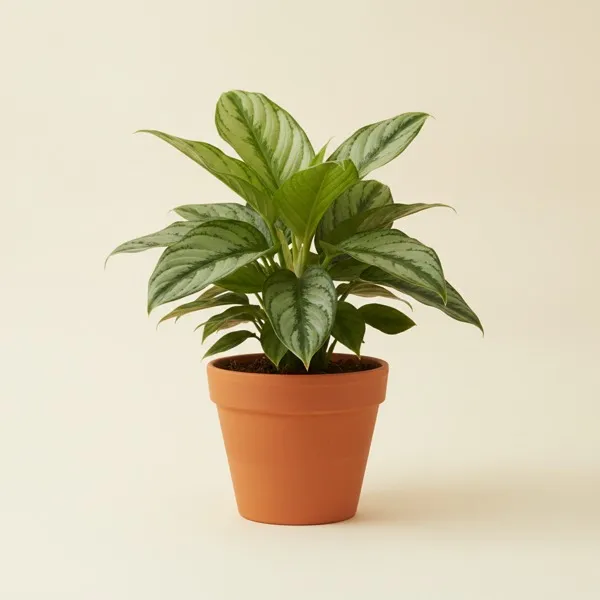
The ASPCA lists a close relative (Aglaonema modestum) as toxic, but not this species. Covers dogs.
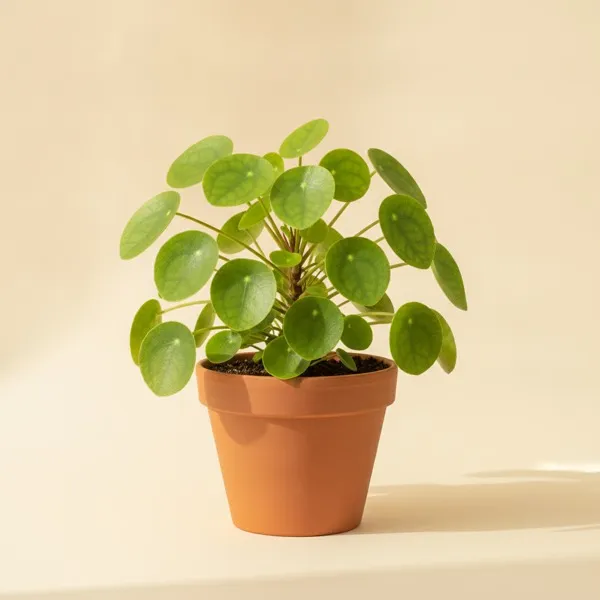
The ASPCA does not list this species either way.
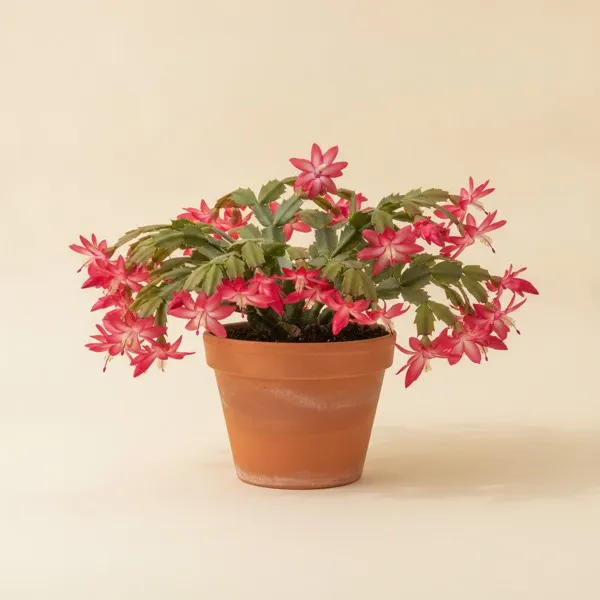
The ASPCA does not list this species either way.
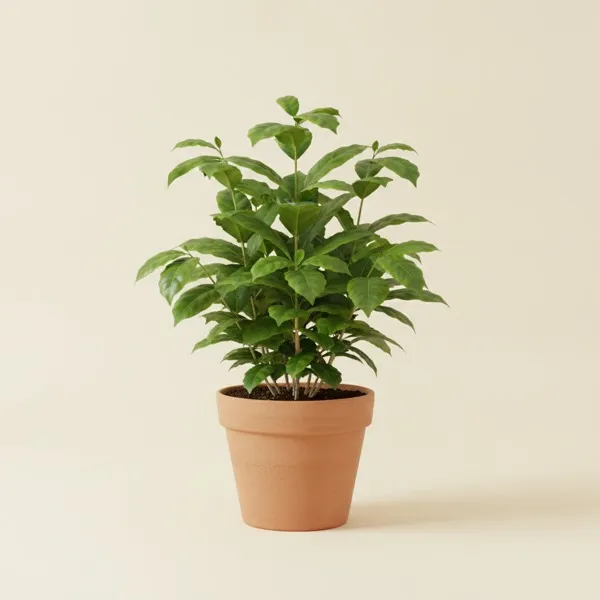
The ASPCA does not list this species either way.
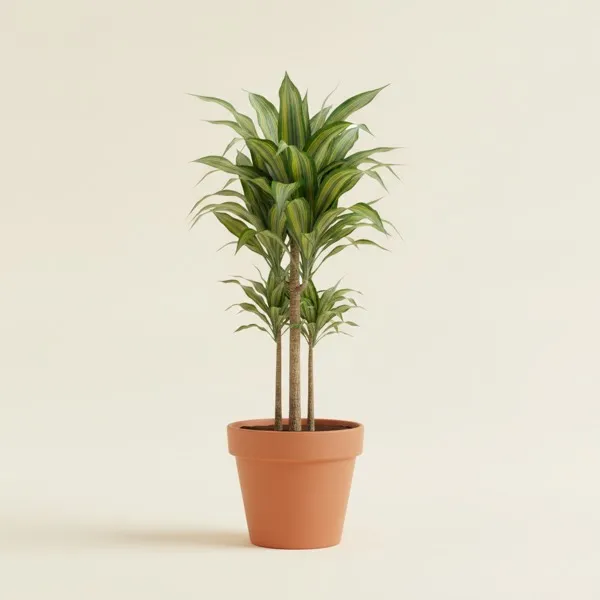
The ASPCA lists this exact species as toxic. Covers dogs and cats.
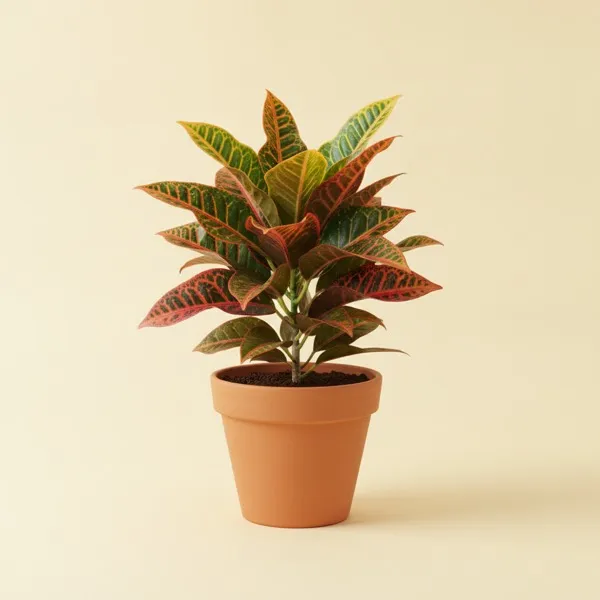
The ASPCA does not list this species either way.
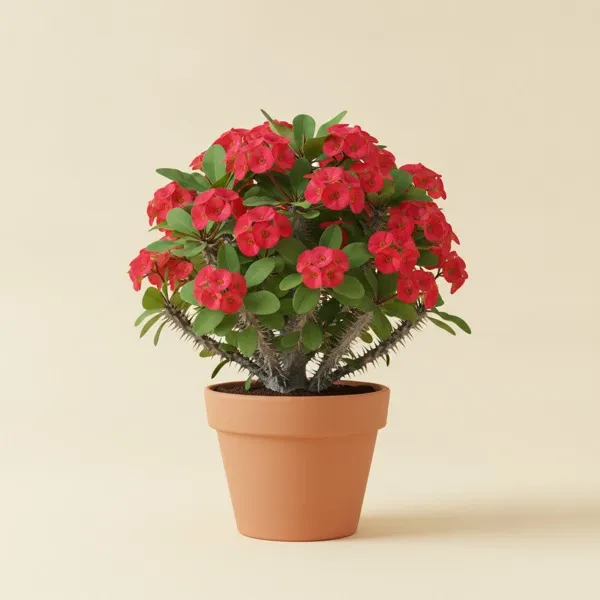
The ASPCA lists a close relative (Euphorbia tirucalli) as toxic, but not this species. Covers dogs.
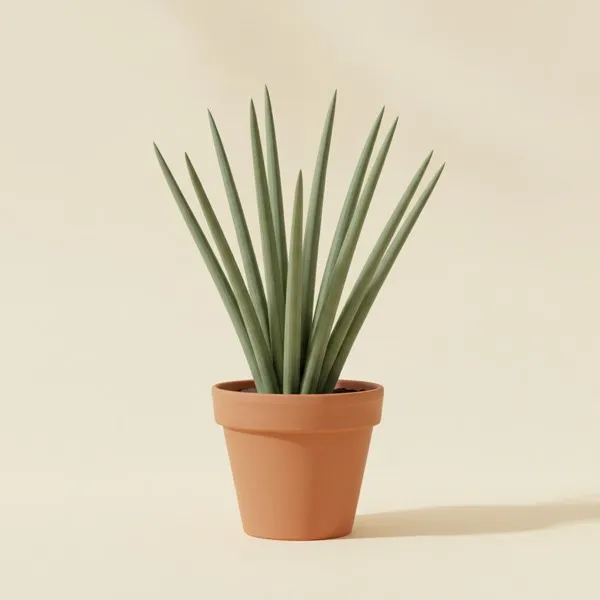
The ASPCA lists the genus as toxic rather than this species by name. Covers dogs and cats.
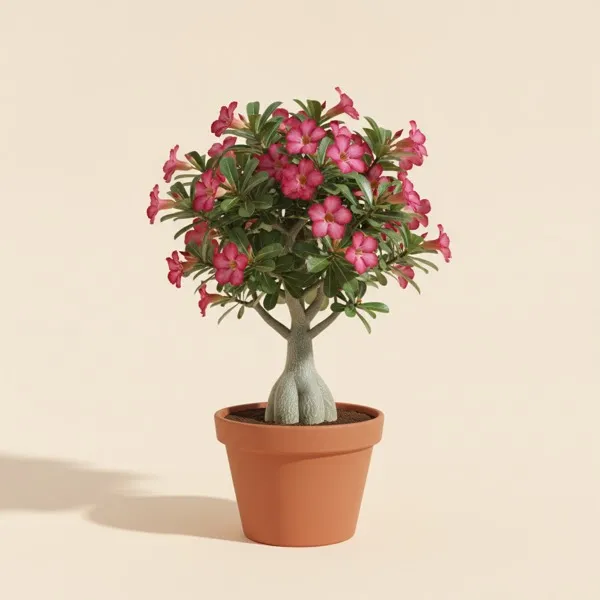
The ASPCA lists this exact species as toxic. Covers dogs and cats.
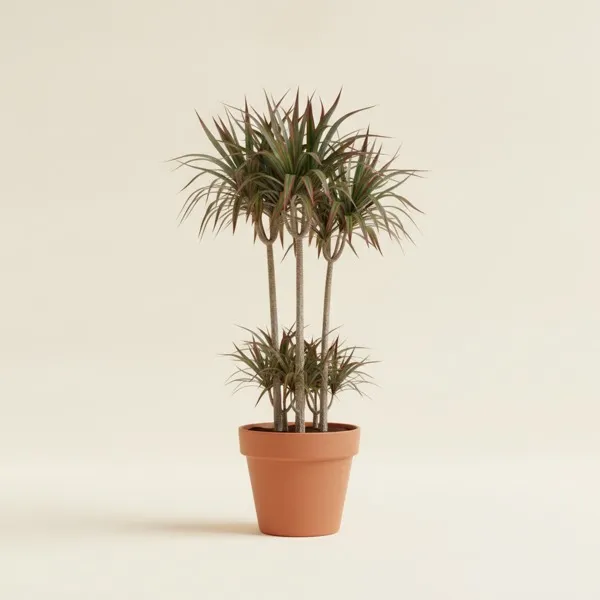
The ASPCA lists this exact species as toxic. Covers dogs and cats.
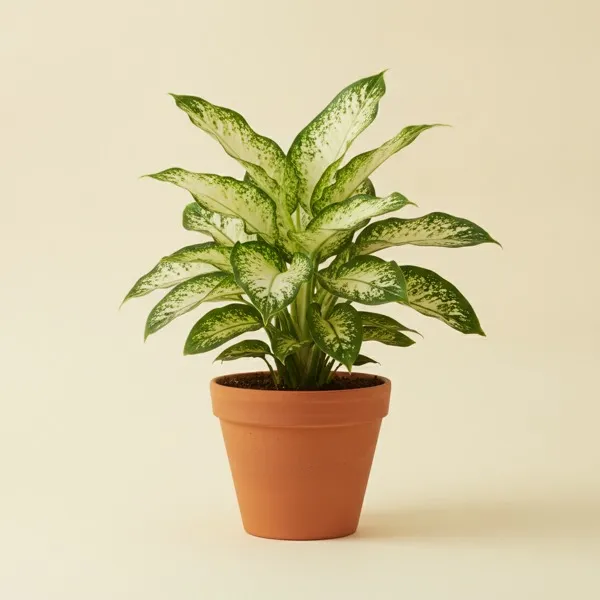
The ASPCA lists this exact species as toxic. Covers dogs and cats.
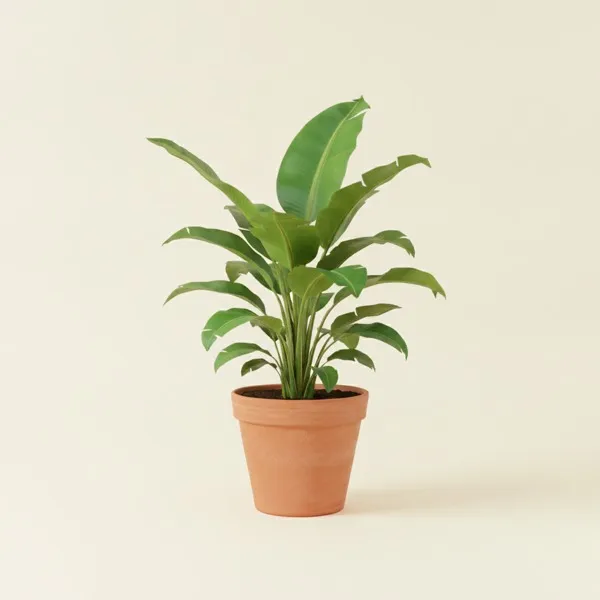
The ASPCA lists this exact species as non-toxic. Covers dogs and cats.
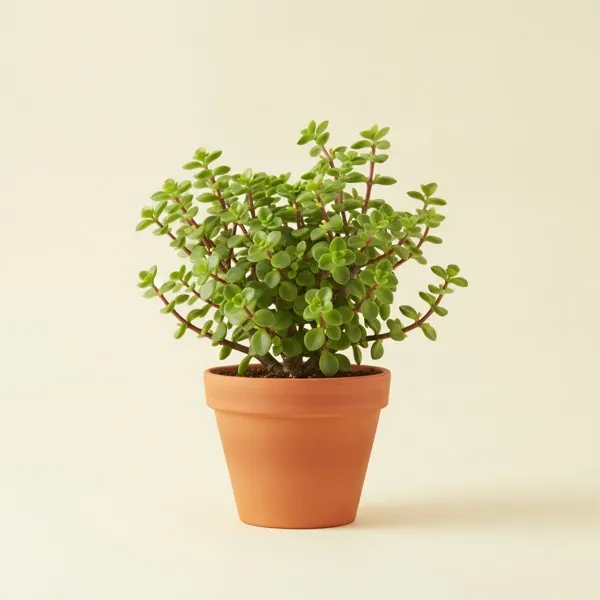
The ASPCA does not list this species either way.
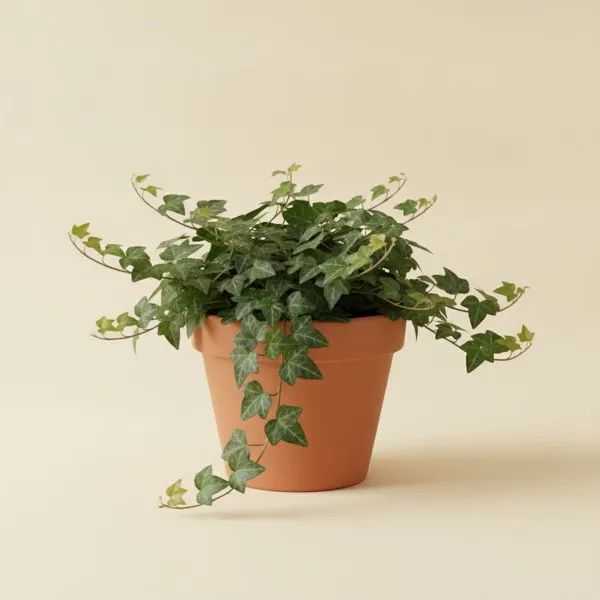
The ASPCA lists this exact species as toxic. Covers dogs and cats.
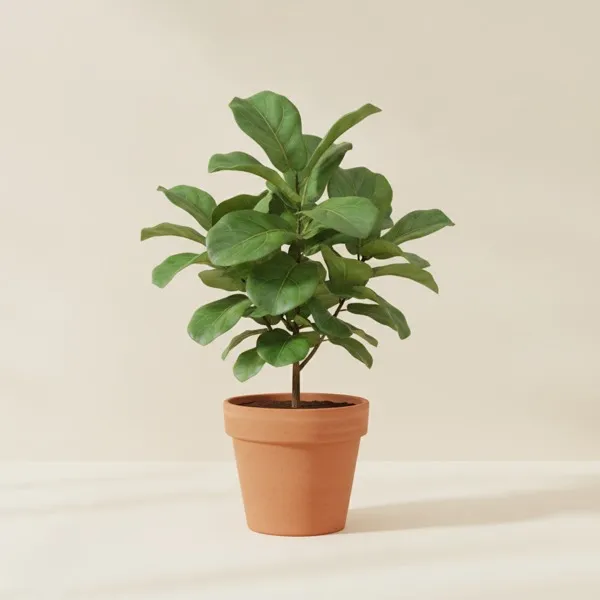
The ASPCA lists the genus as toxic rather than this species by name. Covers dogs and cats.
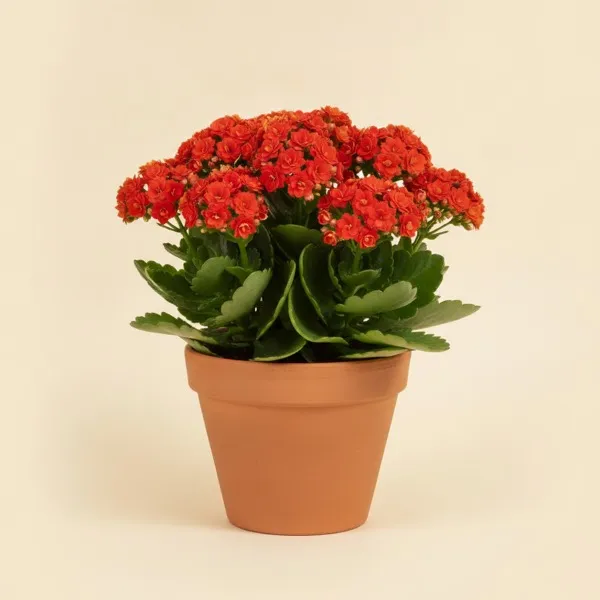
The ASPCA lists the genus as toxic rather than this species by name. Covers dogs and cats.
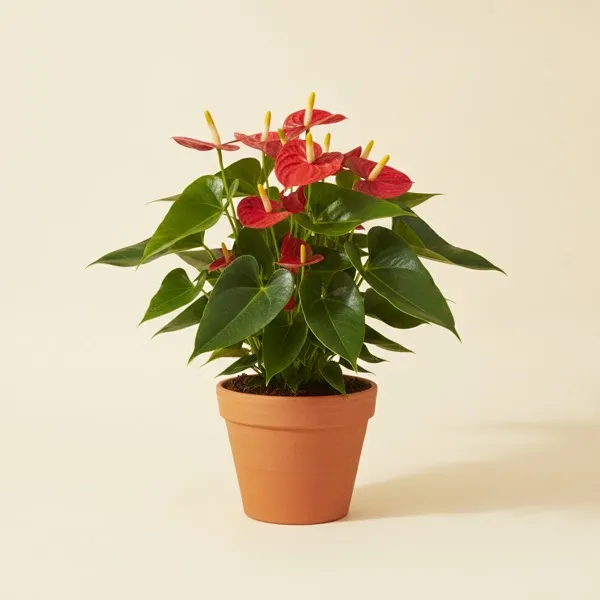
The ASPCA lists a close relative (Anthurium scherzeranum) as toxic, but not this species. Covers dogs.
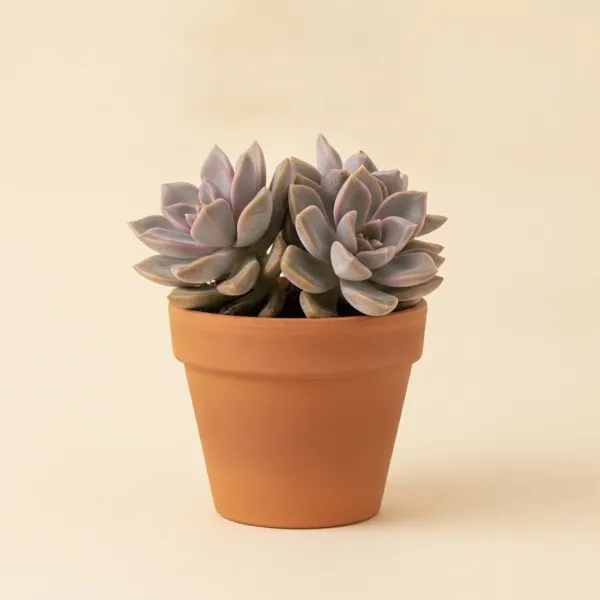
The ASPCA lists this exact species as non-toxic. Covers dogs and cats.
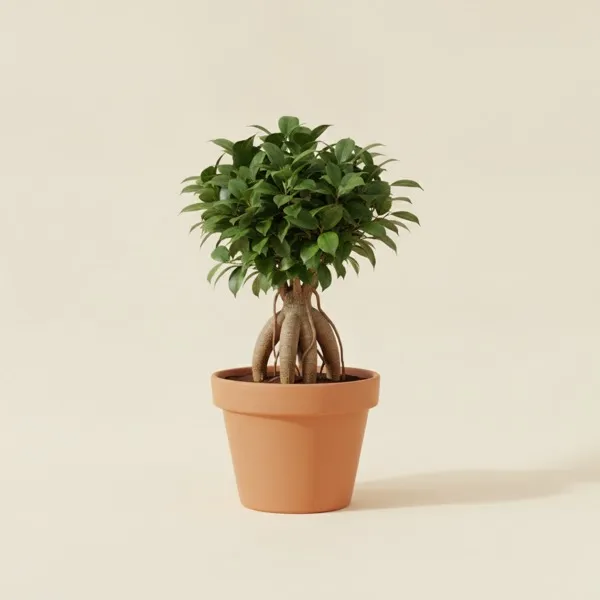
The ASPCA lists the genus as toxic rather than this species by name. Covers dogs and cats.
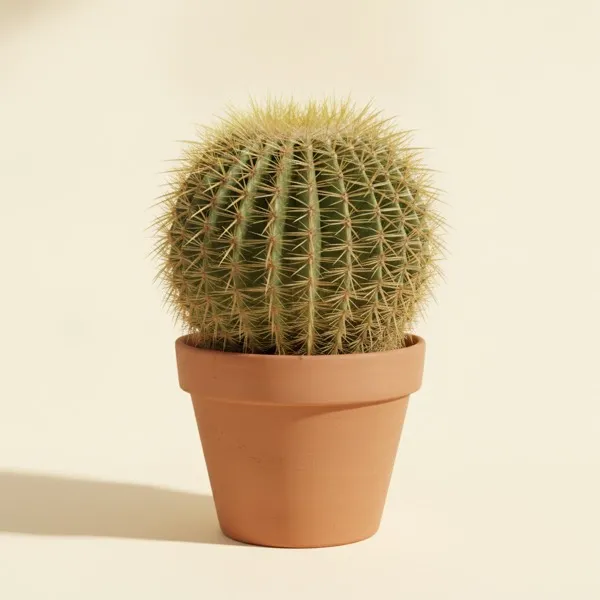
The ASPCA does not list this species either way.
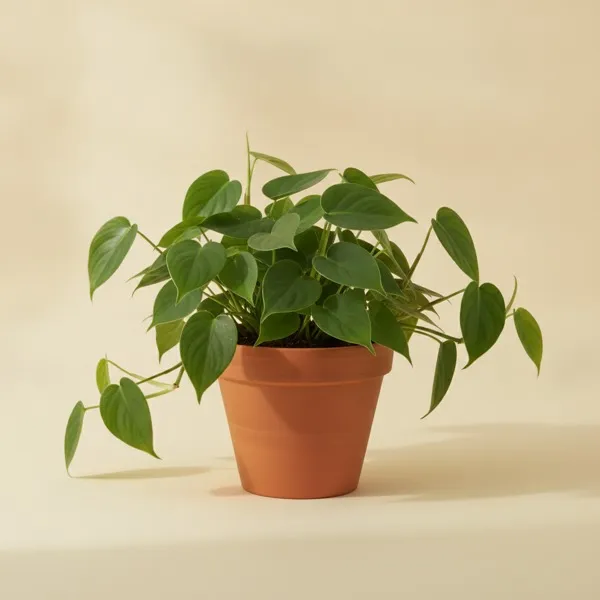
The ASPCA lists this exact species as toxic. Covers dogs and cats.
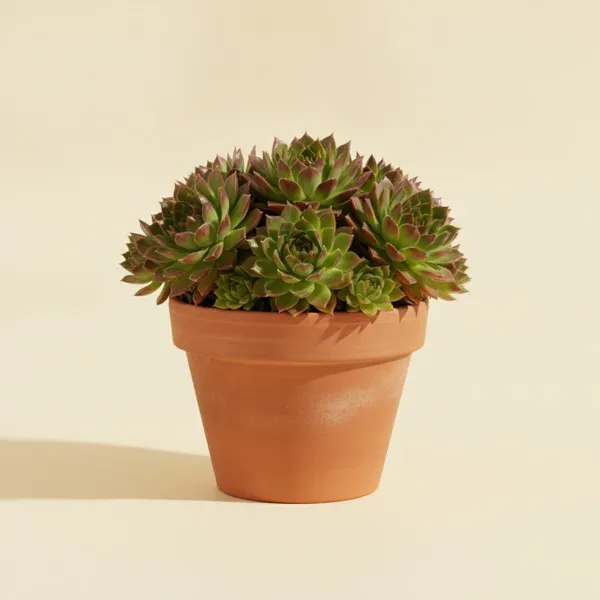
The ASPCA does not list this species either way.
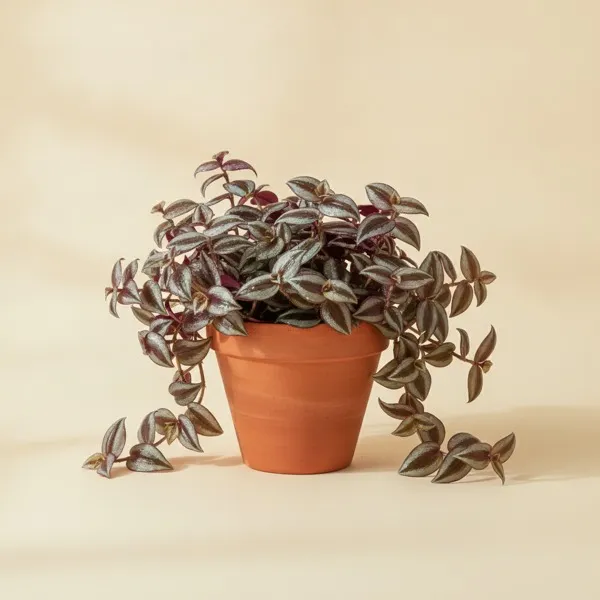
The ASPCA lists a close relative (Tradescantia flumeninsis) as toxic, but not this species. Covers dogs.
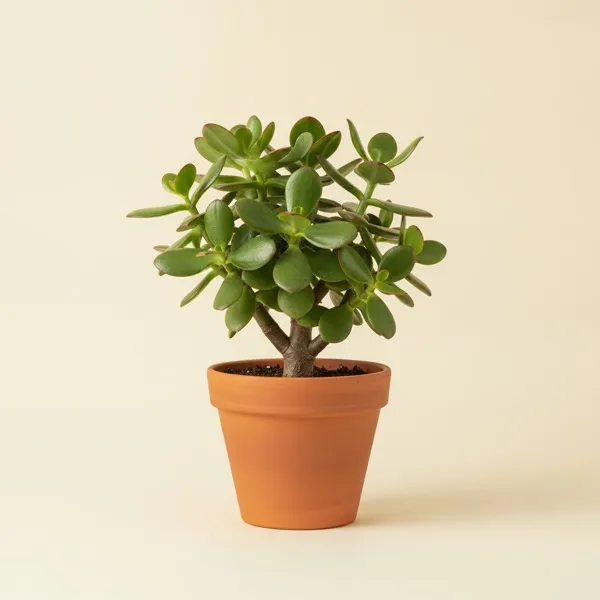
The ASPCA lists this exact species as toxic. Covers dogs and cats.
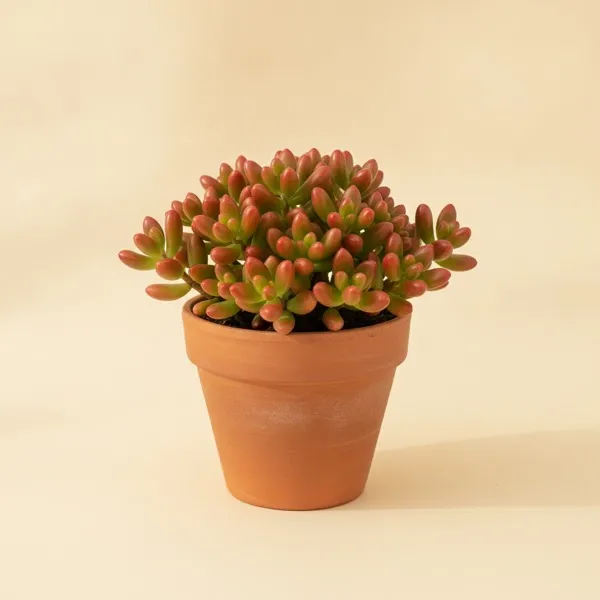
The ASPCA does not list this species either way.
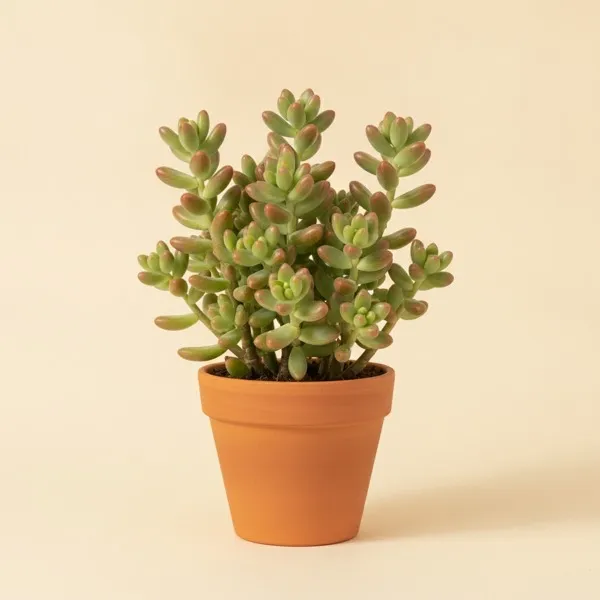
The ASPCA does not list this species either way.
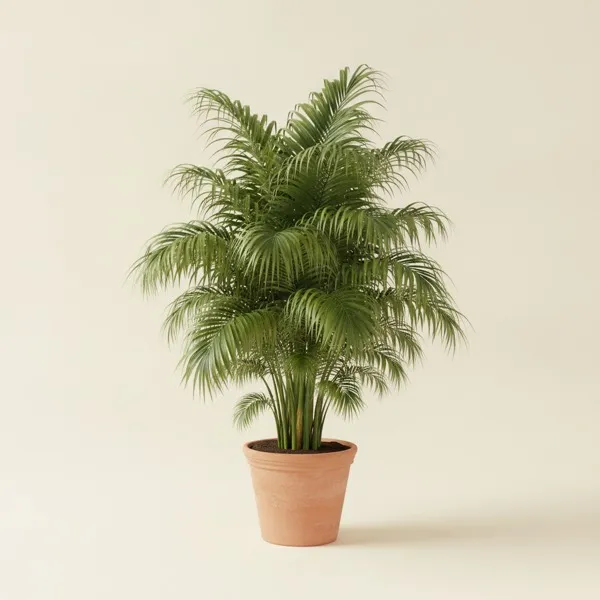
The ASPCA lists this exact species as non-toxic. Covers dogs and cats.
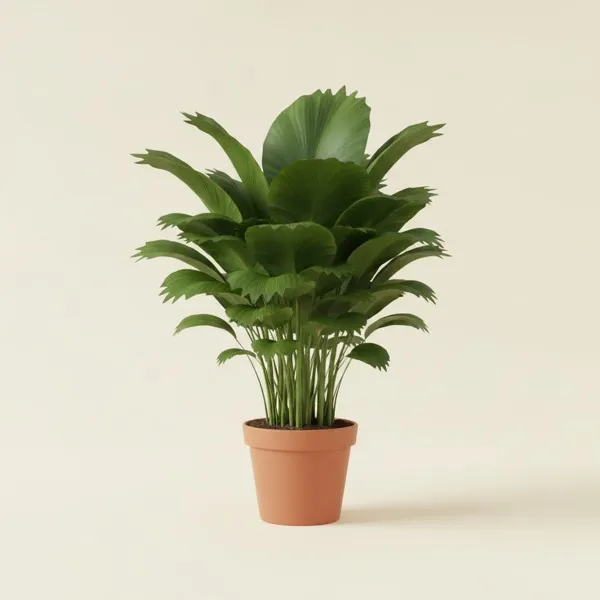
The ASPCA lists this exact species as non-toxic. Covers dogs and cats.
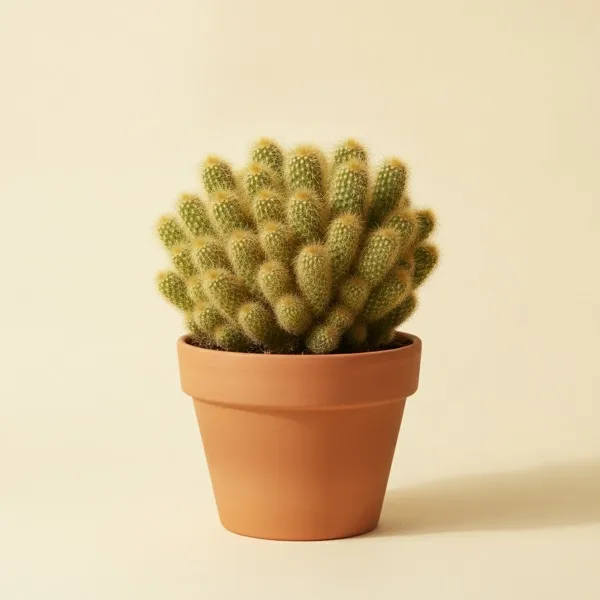
The ASPCA does not list this species either way.
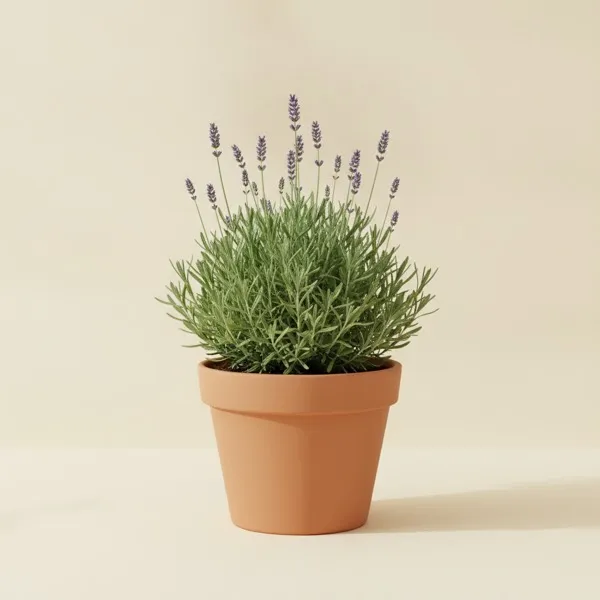
The ASPCA does not list this species either way.
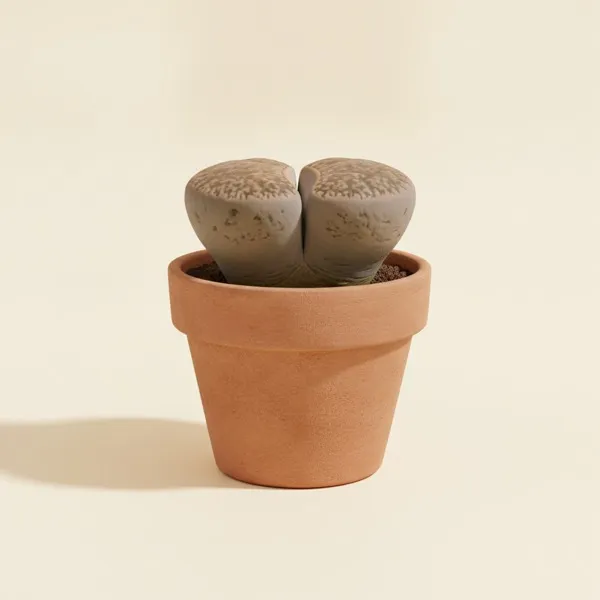
The ASPCA does not list this species either way.
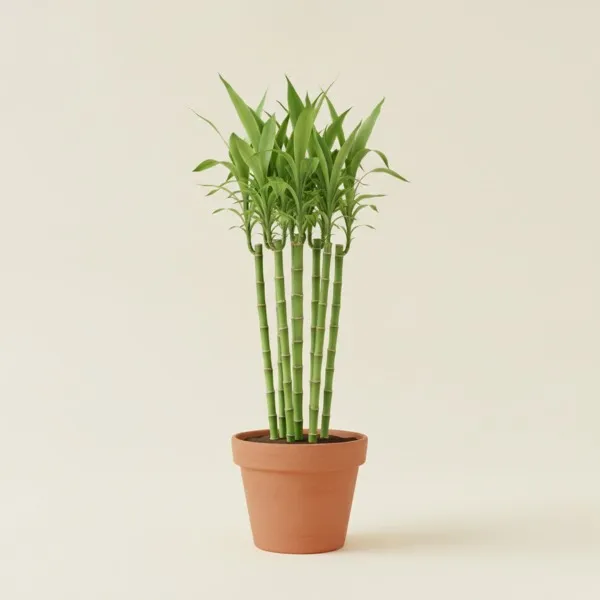
The ASPCA lists the genus as toxic rather than this species by name. Covers dogs and cats.
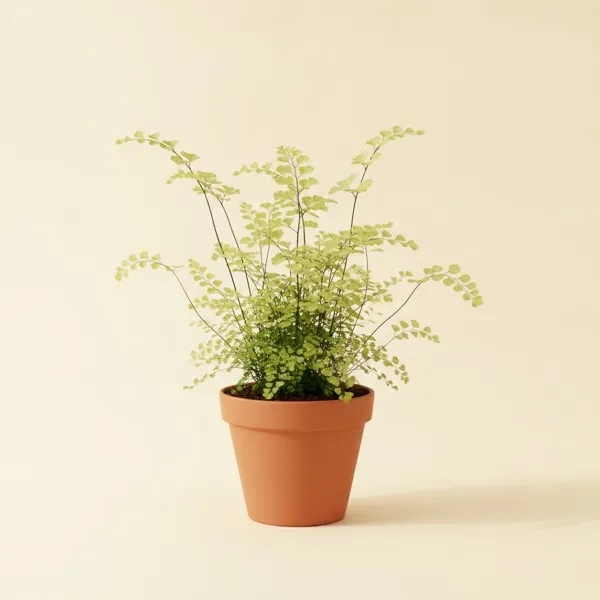
The ASPCA does not list this species either way.
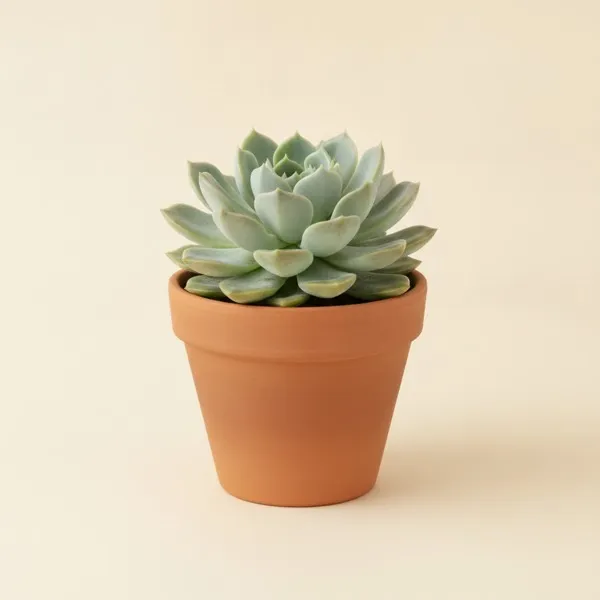
The ASPCA lists this exact species as non-toxic. Covers dogs and cats.
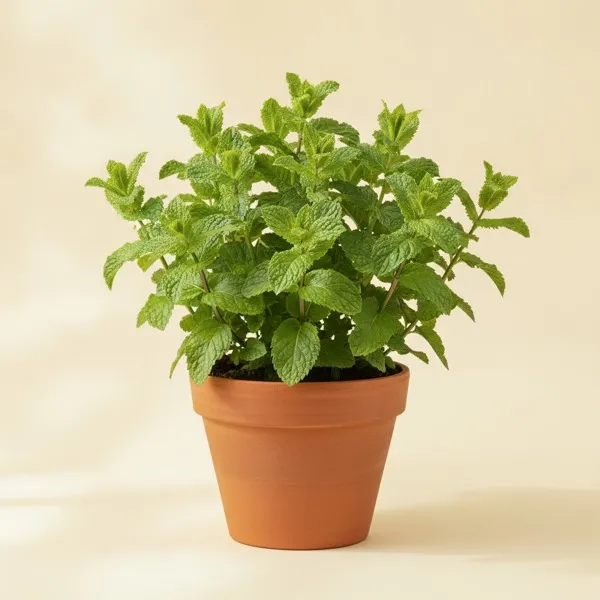
The ASPCA lists the genus as toxic rather than this species by name. Covers dogs and cats.
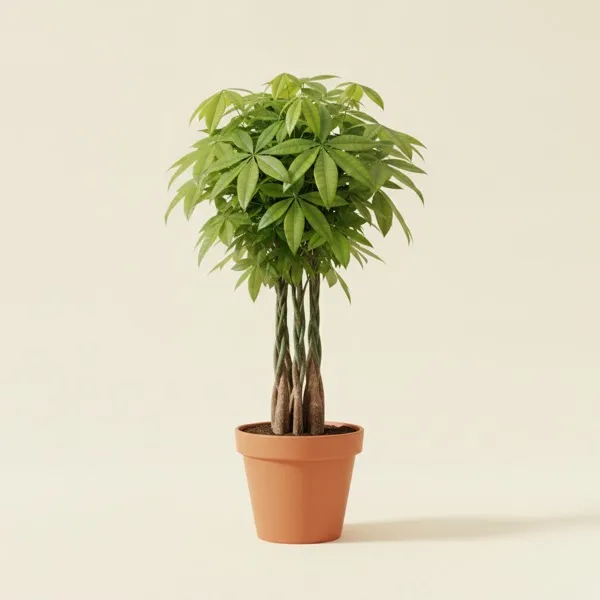
The ASPCA lists this exact species as non-toxic. Covers dogs and cats.
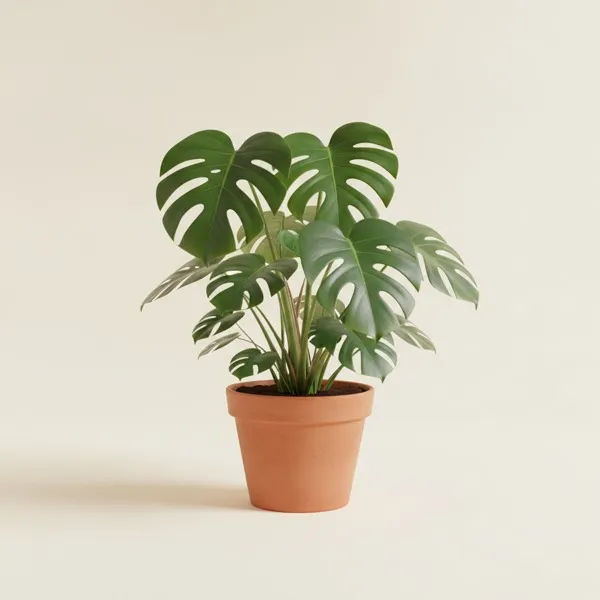
The ASPCA lists this exact species as toxic. Covers dogs and cats.
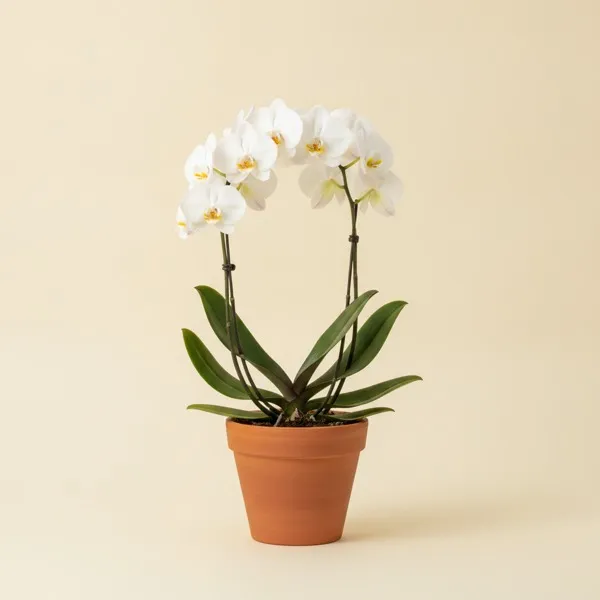
The ASPCA lists other species in the genus as non-toxic, but not this one.
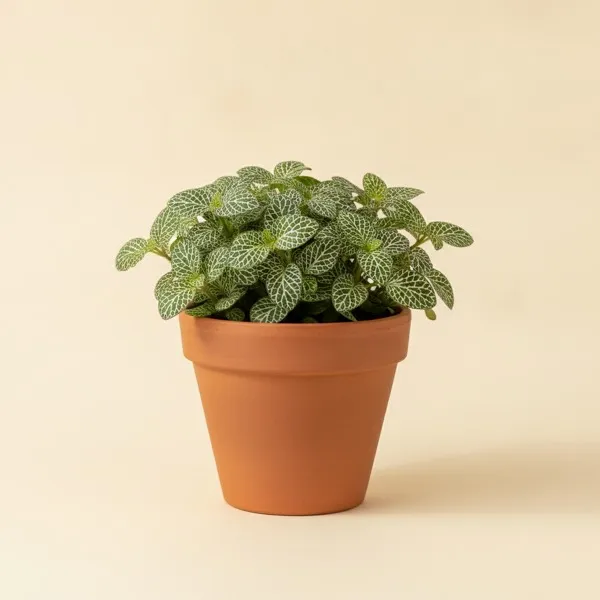
The ASPCA lists this exact species as non-toxic. Covers dogs and cats.
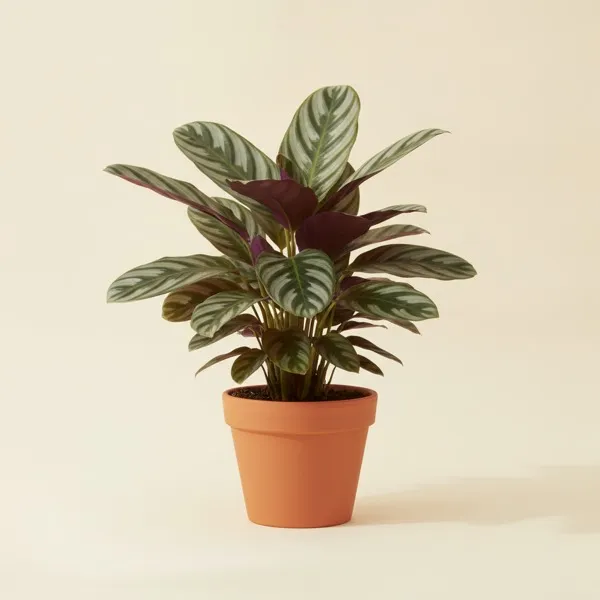
The ASPCA does not list this species either way.
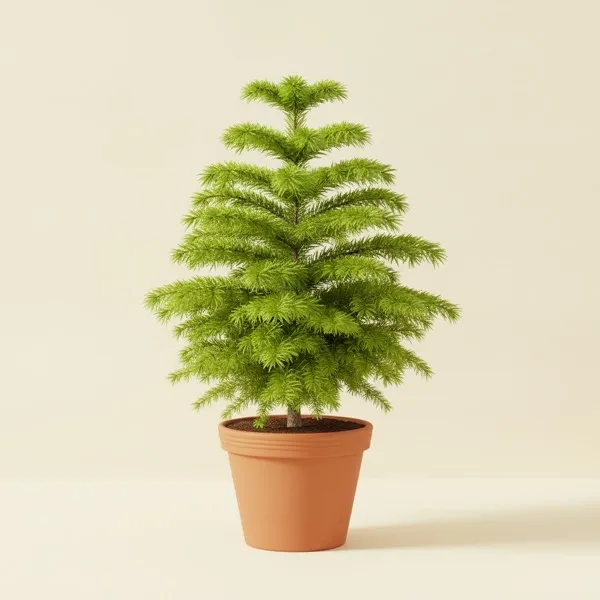
The ASPCA lists this exact species as non-toxic. Covers dogs and cats.
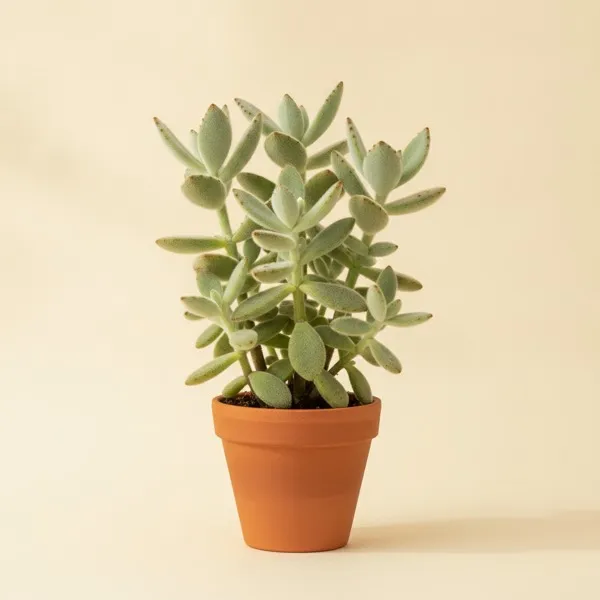
The ASPCA lists the genus as toxic rather than this species by name. Covers dogs and cats.
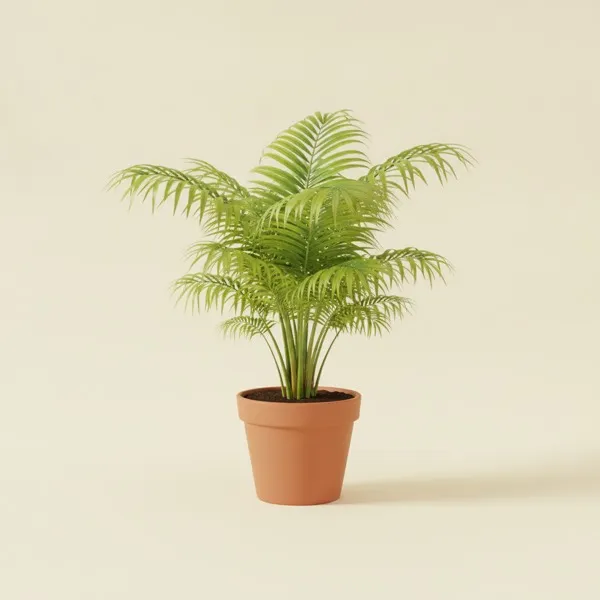
The ASPCA lists this exact species as non-toxic. Covers dogs and cats.
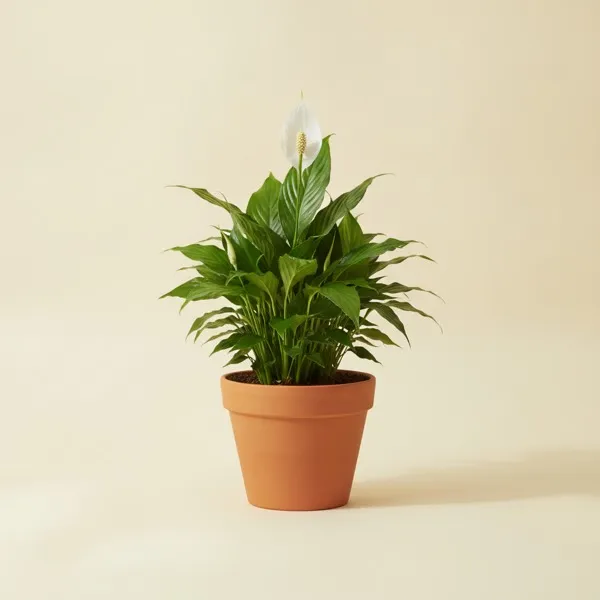
The ASPCA lists the genus as toxic rather than this species by name. Covers dogs and cats.
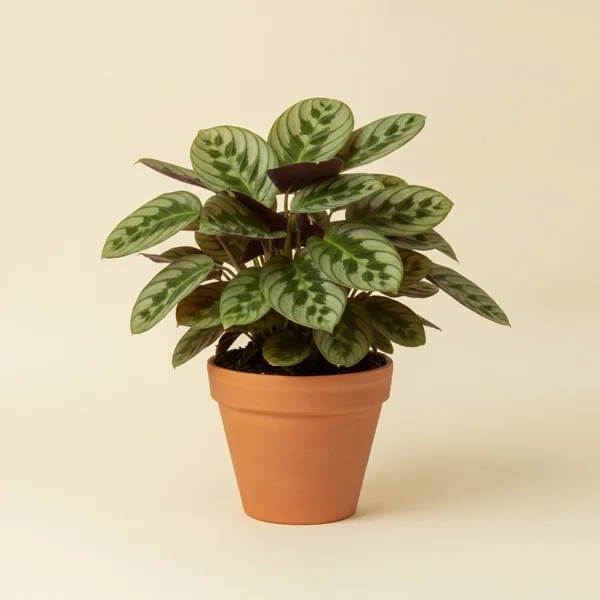
The ASPCA lists other species in the genus as non-toxic, but not this one.
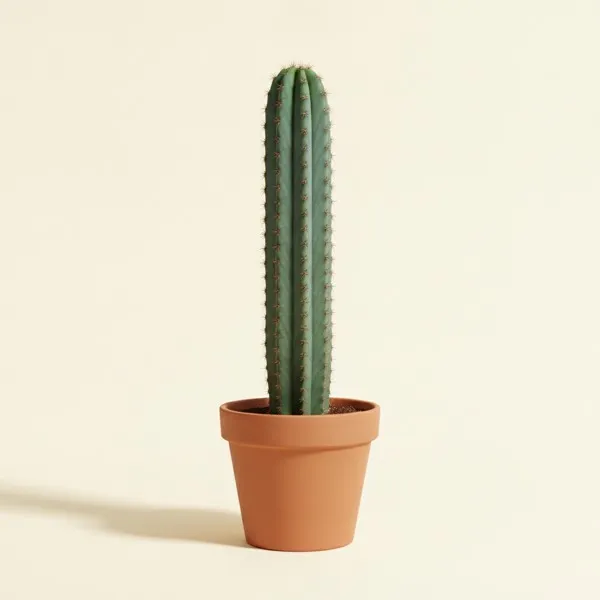
The ASPCA does not list this species either way.
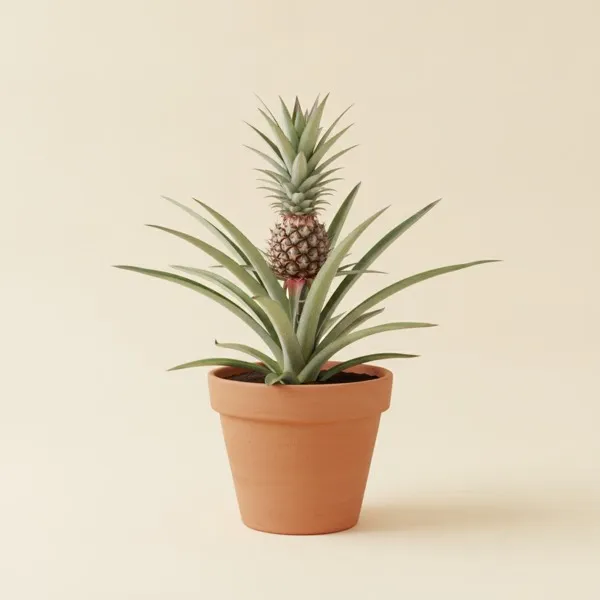
The ASPCA does not list this species either way.
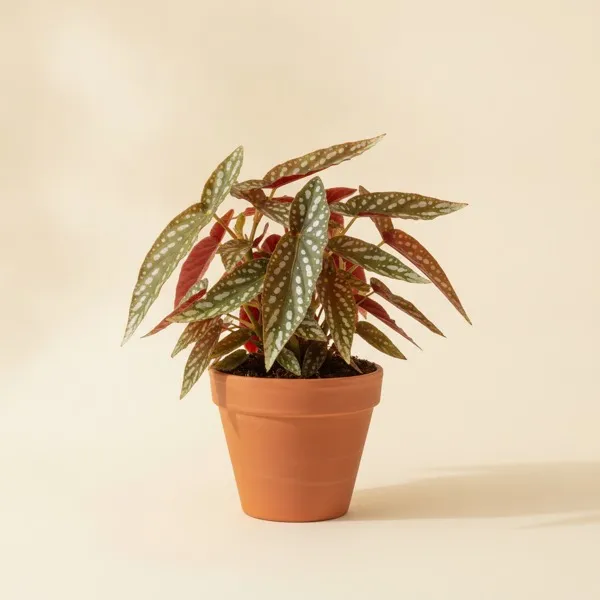
The ASPCA lists the genus as toxic rather than this species by name. Covers dogs and cats.
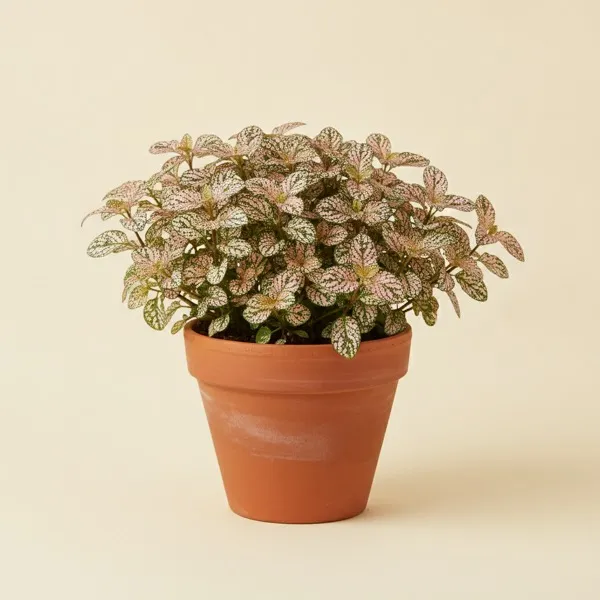
The ASPCA lists this exact species as non-toxic. Covers dogs and cats.
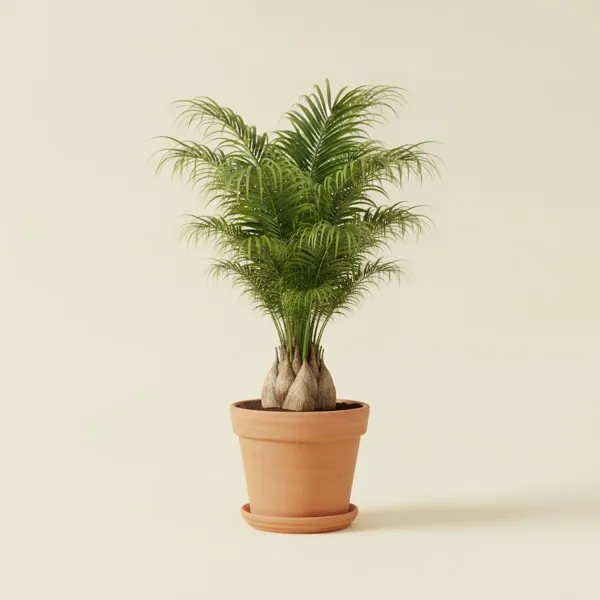
The ASPCA lists this exact species as non-toxic. Covers dogs and cats.
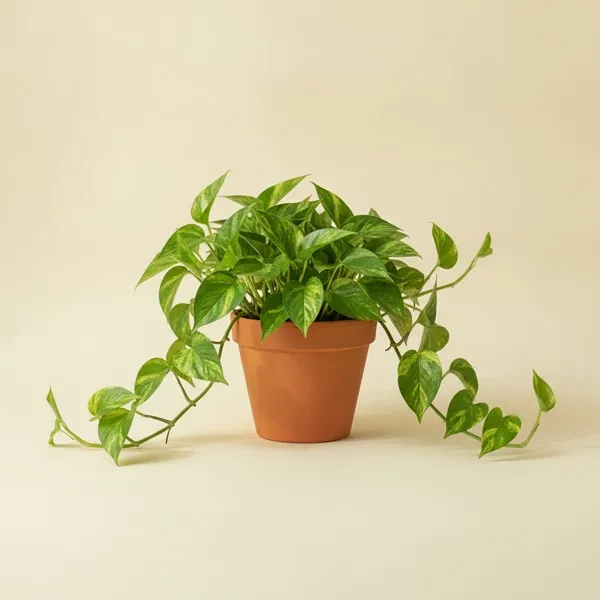
The ASPCA lists this exact species as toxic. Covers dogs and cats.
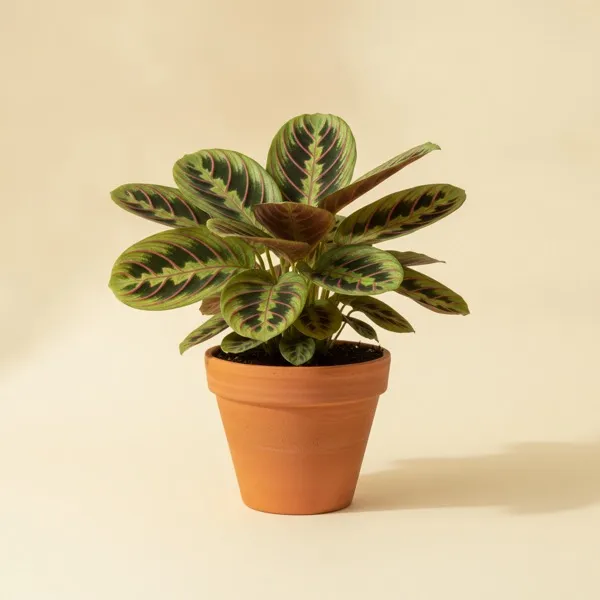
The ASPCA does not list this species either way.
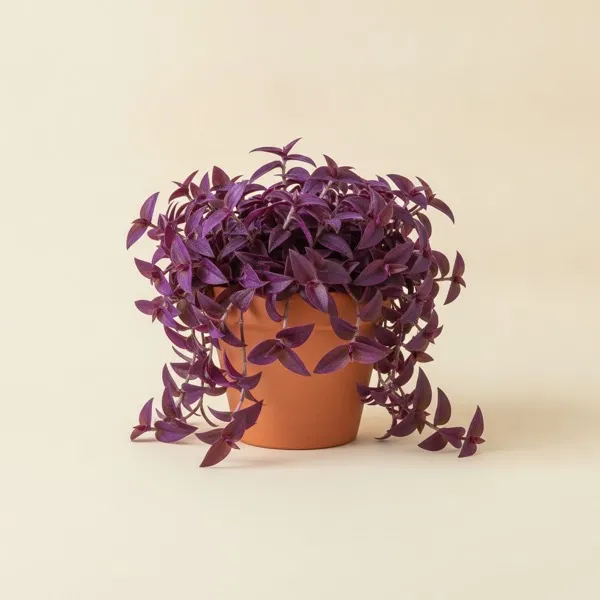
The ASPCA lists a close relative (Tradescantia flumeninsis) as toxic, but not this species. Covers dogs.
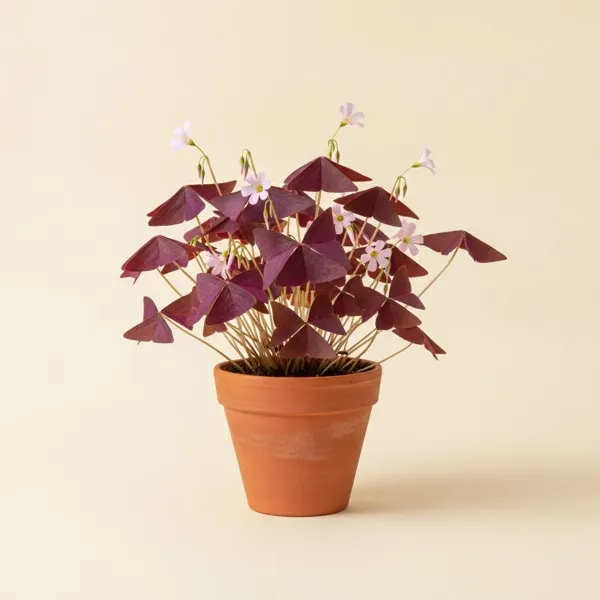
The ASPCA lists the genus as toxic rather than this species by name. Covers dogs and cats.
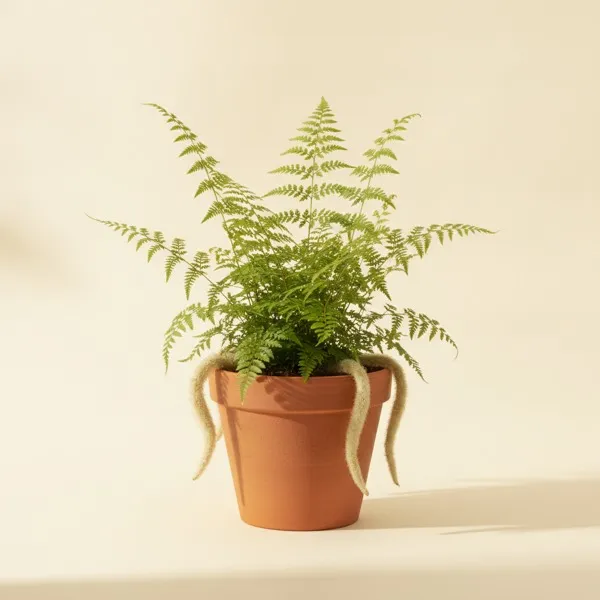
The ASPCA lists this exact species as non-toxic. Covers dogs and cats.
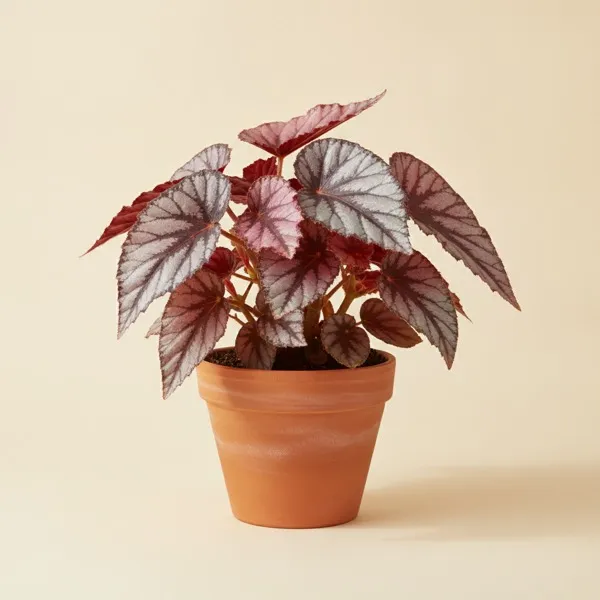
The ASPCA lists this exact species as toxic. Covers dogs and cats.
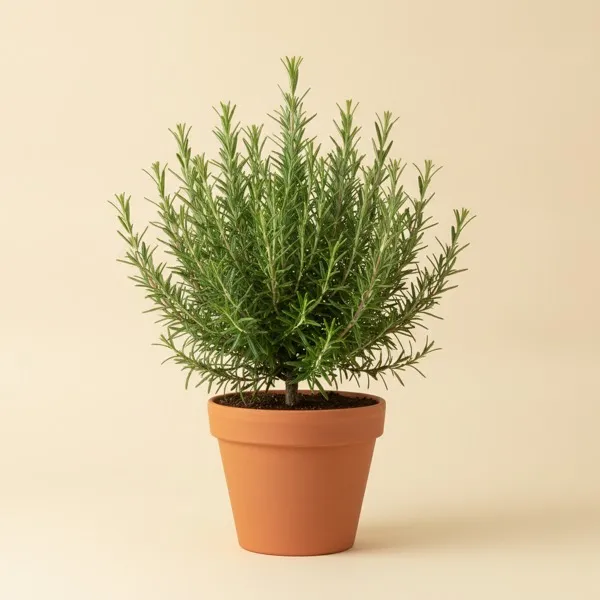
The ASPCA lists this exact species as non-toxic. Covers dogs and cats.
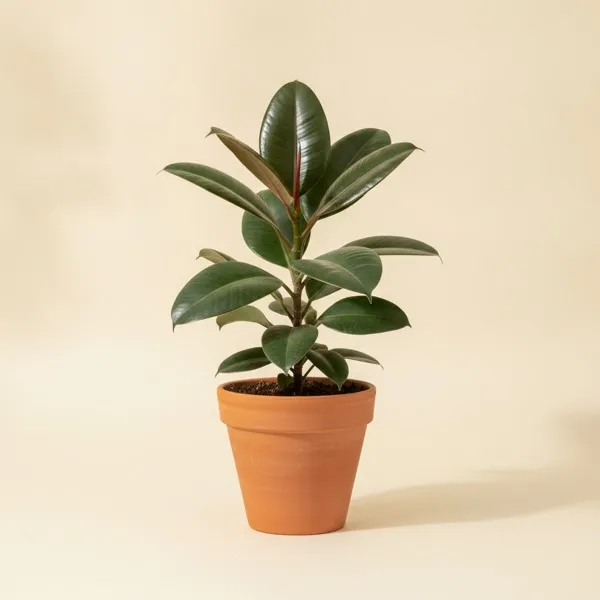
The ASPCA lists the genus as toxic rather than this species by name. Covers dogs and cats.
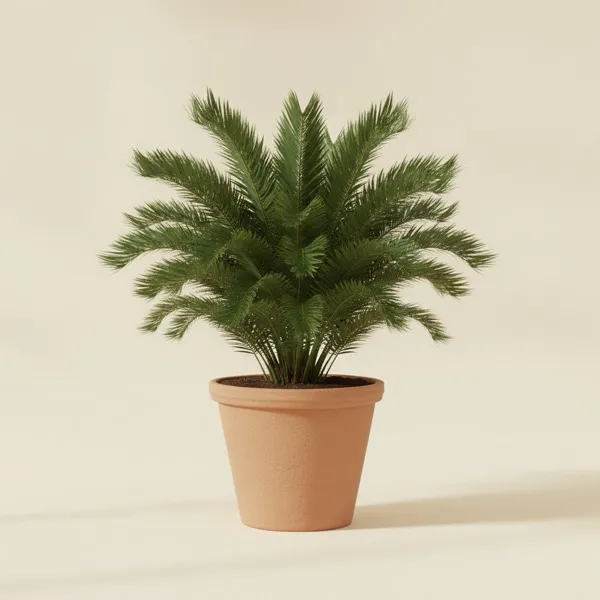
The ASPCA lists this exact species as toxic. Covers dogs and cats.
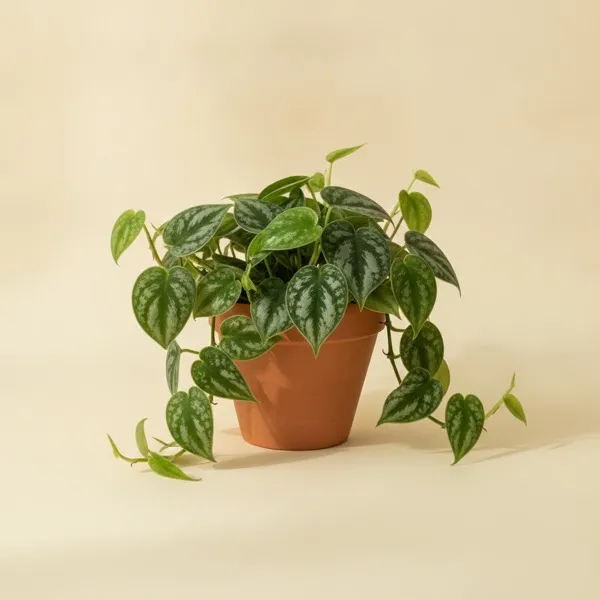
The ASPCA lists this exact species as toxic. Covers dogs and cats.
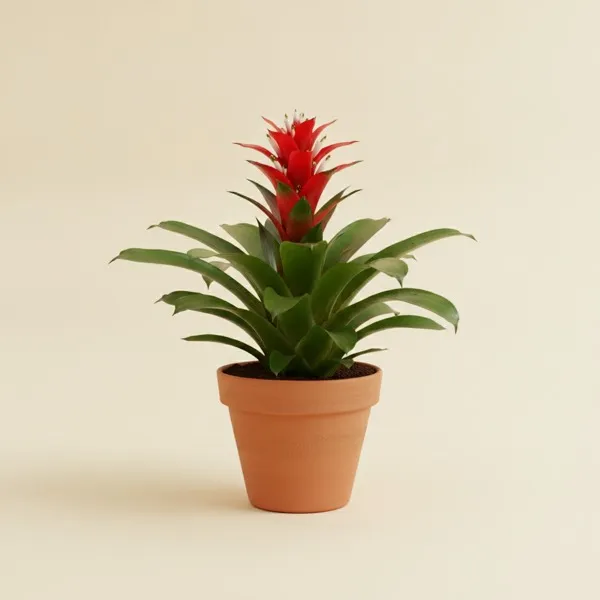
The ASPCA lists this exact species as non-toxic. Covers dogs and cats.
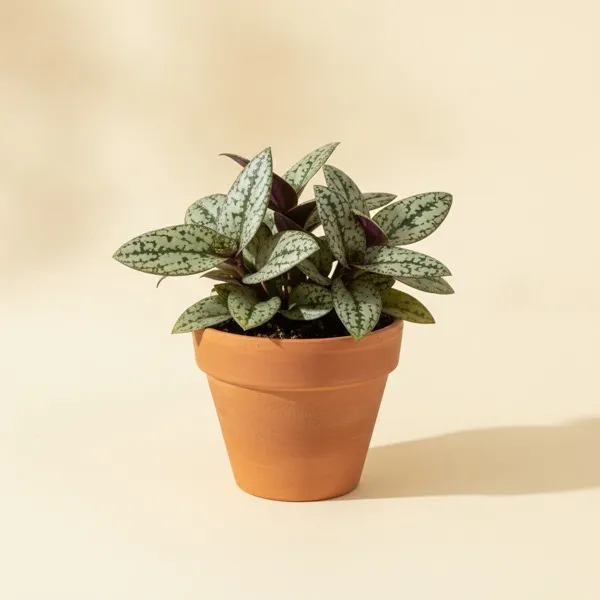
The ASPCA does not list this species either way.
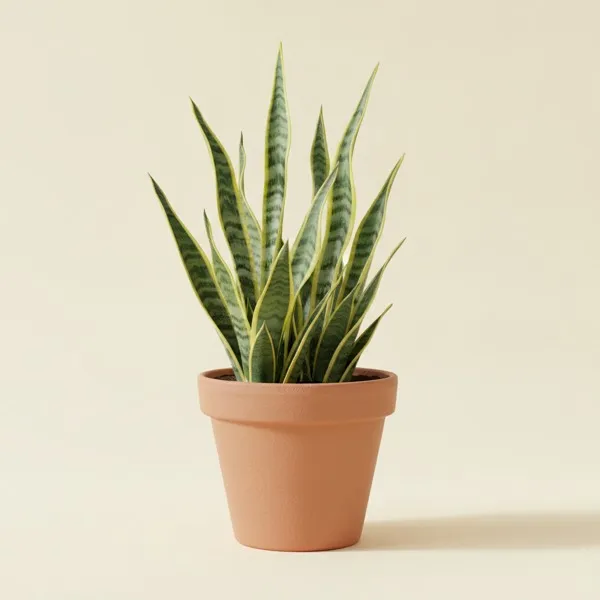
The ASPCA lists this exact species as toxic. Covers dogs and cats.
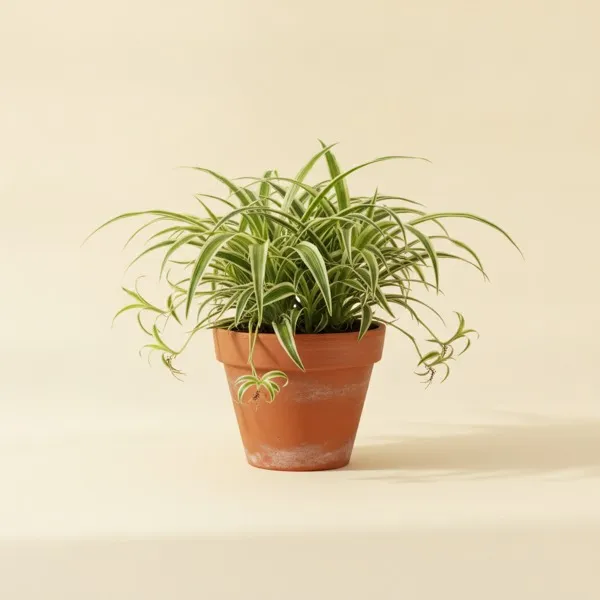
The ASPCA lists this exact species as non-toxic. Covers dogs and cats.
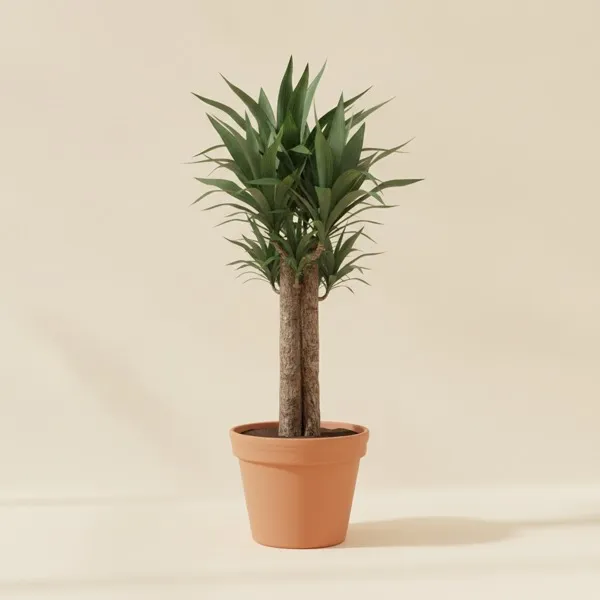
The ASPCA lists the genus as toxic rather than this species by name. Covers dogs and cats.
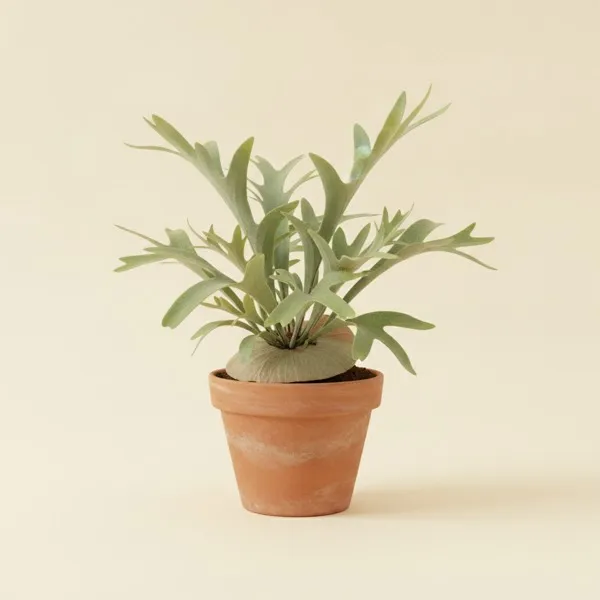
The ASPCA lists this exact species as non-toxic. Covers dogs and cats.
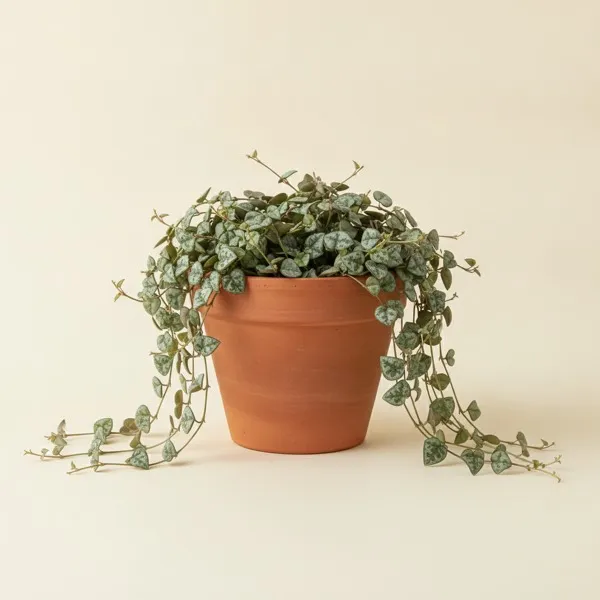
The ASPCA does not list this species either way.
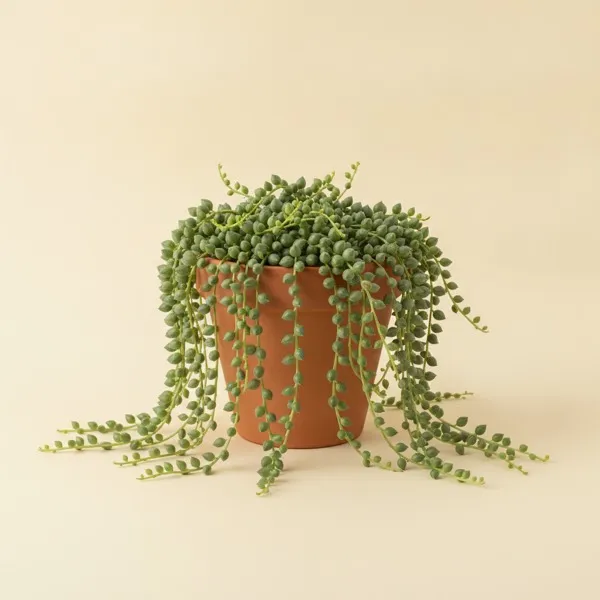
The ASPCA lists a close relative (Senecio species) as toxic, but not this species. Covers dogs.
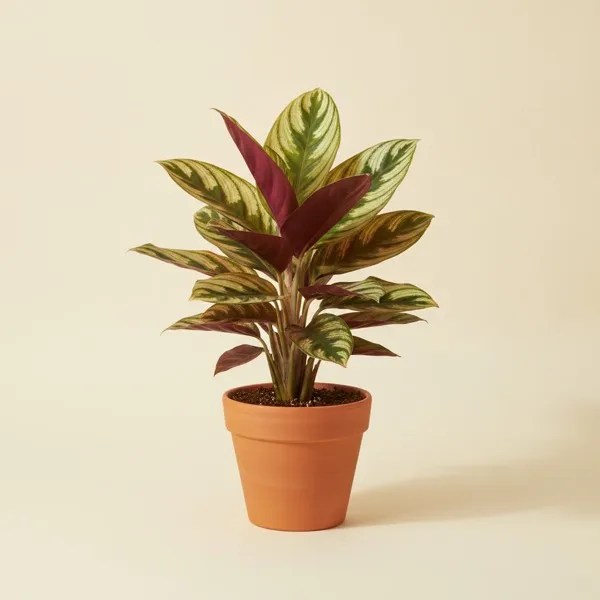
The ASPCA does not list this species either way.
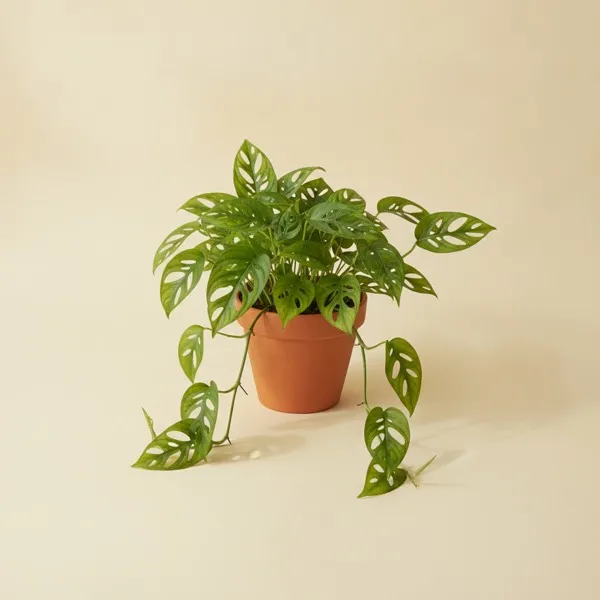
The ASPCA lists a close relative (Monstera deliciosa) as toxic, but not this species. Covers dogs.
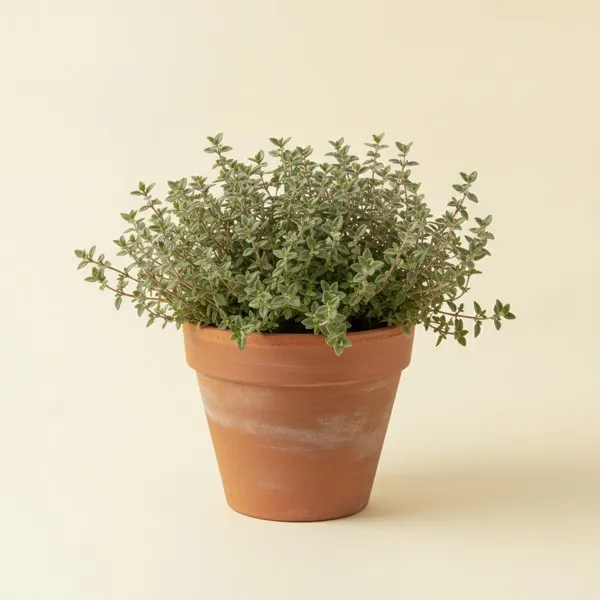
The ASPCA lists this exact species as non-toxic. Covers dogs and cats.
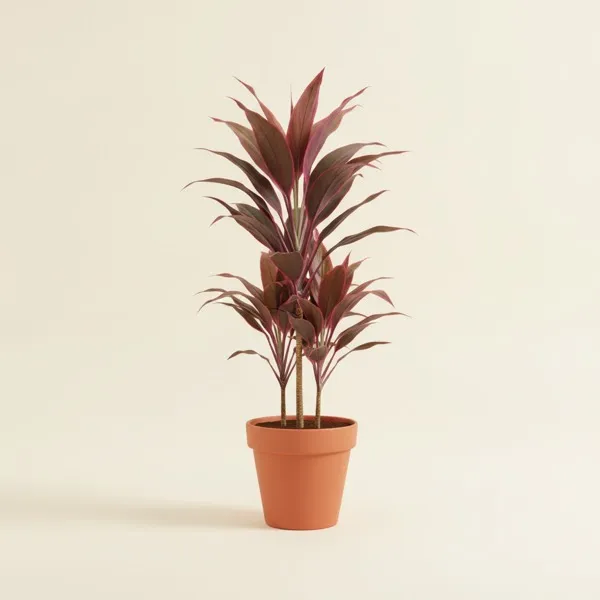
The ASPCA lists this exact species as toxic. Covers dogs and cats.
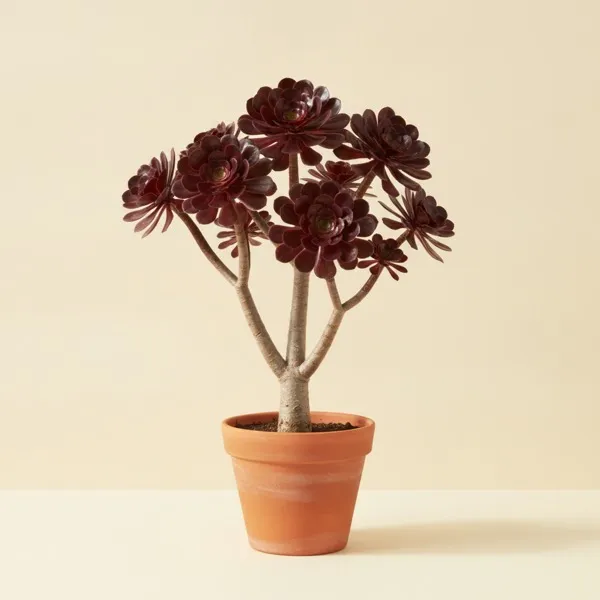
The ASPCA does not list this species either way.
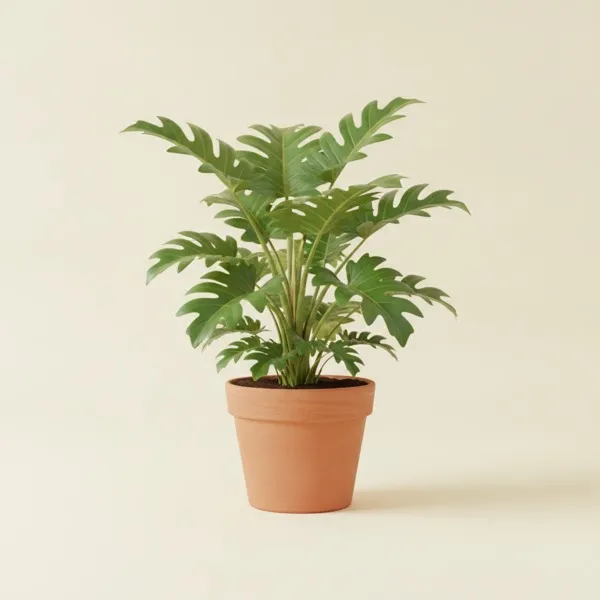
The ASPCA lists this exact species as toxic. Covers dogs and cats.
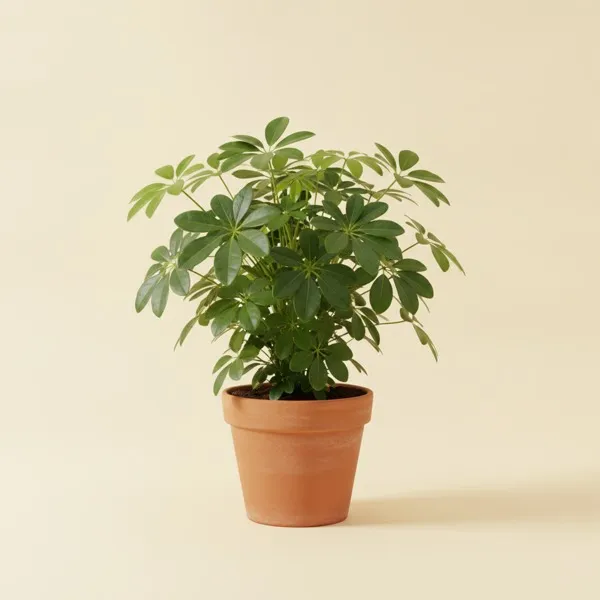
The ASPCA lists this exact species as toxic. Covers dogs and cats.
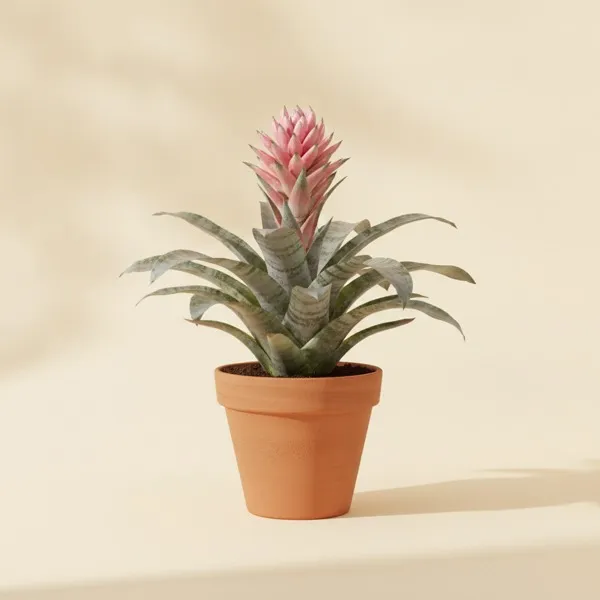
The ASPCA does not list this species either way.
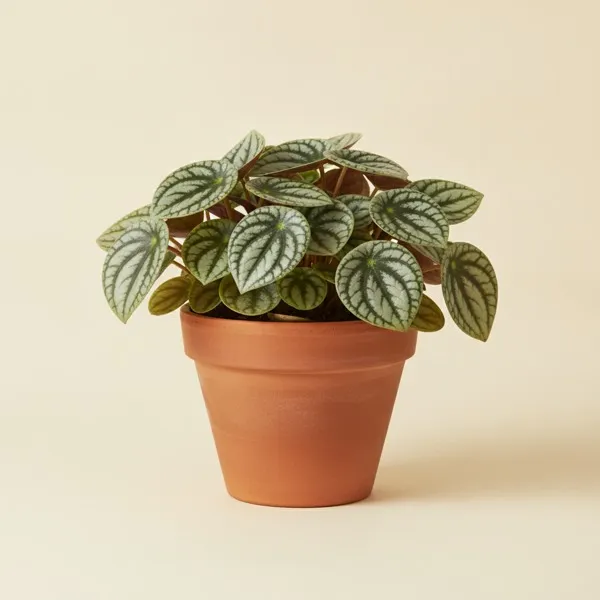
The ASPCA lists this exact species as non-toxic. Covers dogs and cats.
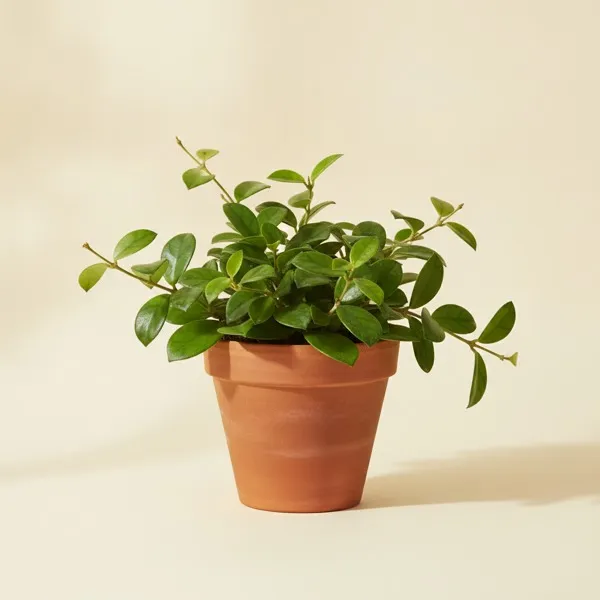
The ASPCA lists this exact species as non-toxic. Covers dogs and cats.
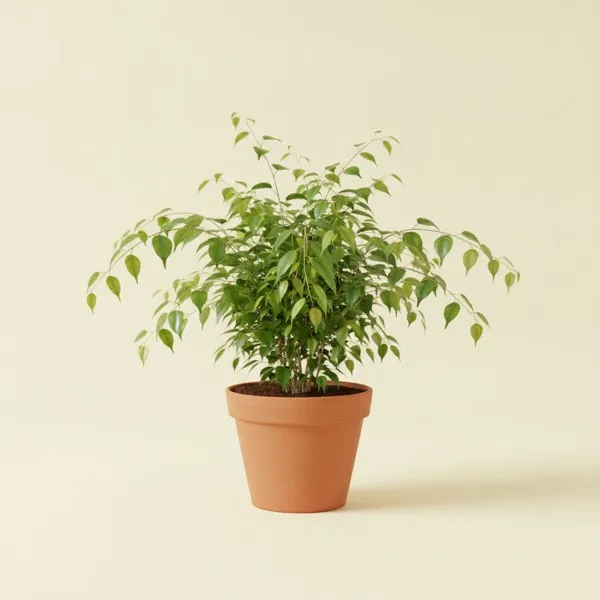
The ASPCA lists this exact species as toxic. Covers dogs and cats.
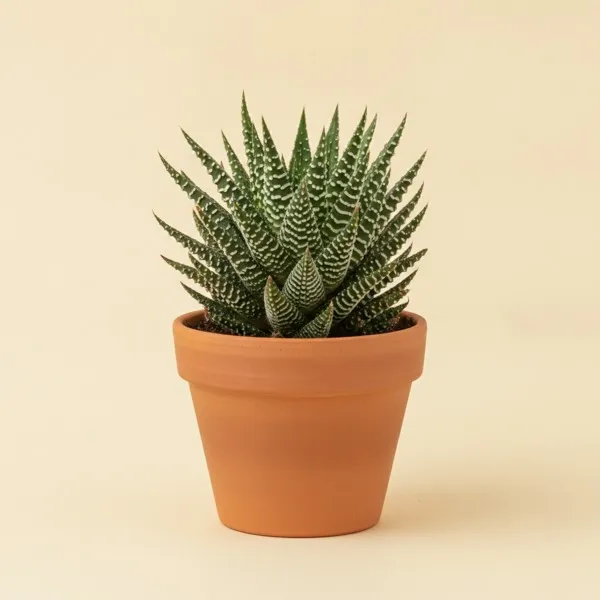
The ASPCA does not list this species either way.
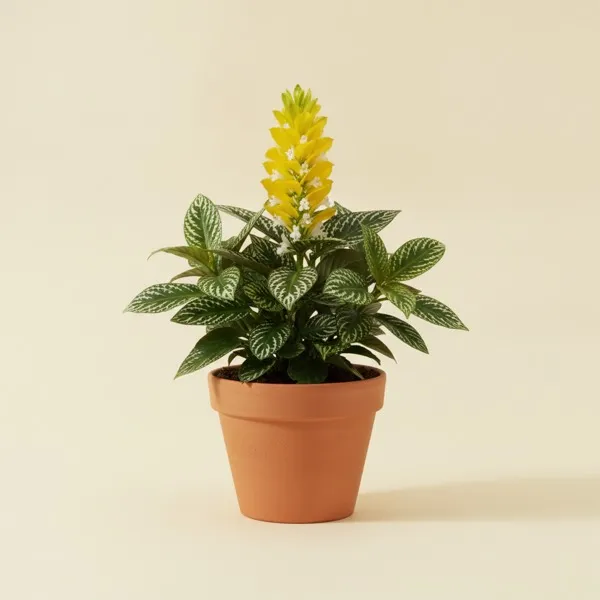
The ASPCA lists this exact species as non-toxic. Covers dogs and cats.
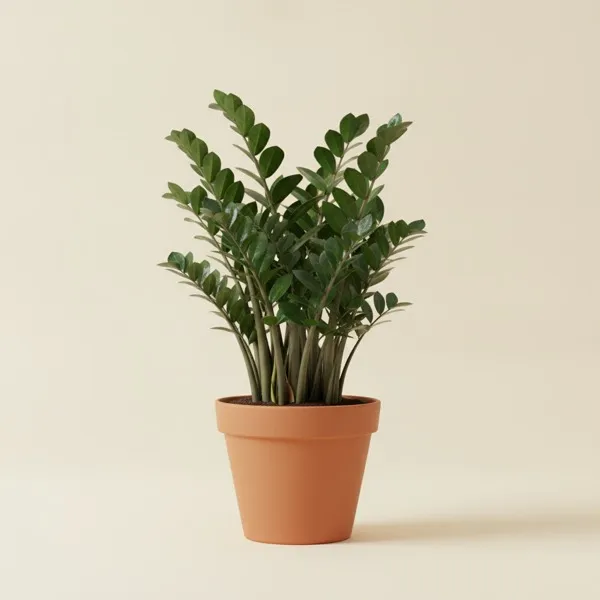
The ASPCA does not list this species either way.
No species here matches that name. The database covers 100 common houseplants, not every plant.
Sources and attribution. Each verdict above states, in our own words, whether the ASPCA toxic and non-toxic plant lists name a given species, and every card links to the ASPCA page it was checked against so you can read their entry there. No ASPCA text, description or image is reproduced here. ASPCA® is a registered trademark of the American Society for the Prevention of Cruelty to Animals, used here only to identify the source of the verdicts. The ASPCA is not affiliated with Bald.studio or with this page, has not reviewed it, and does not endorse it. The ASPCA notes that its own list is not all-inclusive, and that eating any plant material can cause vomiting and stomach upset whatever the listing says. Light requirements come from the North Carolina Extension Gardener Plant Toolbox and Missouri Botanical Garden, cited per species on the light requirements tool.
Solspot measures how much light a spot in your home gets, then shows the species that suit it, with the same ASPCA verdicts and the same honesty about what the lists do not cover. Free, offline, no account.

Yes. The ASPCA lists Monstera deliciosa, sold as the Swiss cheese plant, as toxic to cats and dogs. It contains insoluble calcium oxalate crystals, which cause oral irritation, drooling and trouble swallowing if a pet chews it. Rarely fatal, genuinely unpleasant, worth keeping out of reach.
The ASPCA has no entry for that exact species on either list. It is not the same as safe. 39 of the 100 species here fall in that gap, and a checker that shows them as pet safe is guessing on your behalf.
The ASPCA toxic and non-toxic plant lists, and nothing else. Each card links to the page its verdict came from. Where the ASPCA names the genus or a close relative rather than the species, the card says which, so you can judge how far the verdict really stretches.
Spider plant, parlour palm, areca palm, kentia palm, Boston fern, watermelon peperomia, African violet, ponytail palm, cast iron plant and money tree are all on the ASPCA non-toxic list. Use the "Listed non-toxic" filter above to see all 28 in this database. Calathea, prayer plant and haworthia get called pet safe all over the web, but the ASPCA lists do not name them, so this page shows them as not listed.
Call a vet. The ASPCA Animal Poison Control Center, a US service, runs a 24 hour line on (888) 426-4436 and a consultation fee may apply. Do not wait to see whether symptoms develop, and take a piece of the plant with you if you can.
A free tool from Bald.studio, built from the plant database of Solspot.